In a nutshell
- In winter, herring draw orcas and humpback whales to fjords north of Tromsø; that is the spectacle you came to see.[1]
- The Tromsø Whale & Orca Safari is an 8-hour trip with a live English guide and a route through Skjervøy, Norway.[2]
- Norwegian rules keep boats at least 0.2 nautical miles (370 meters) from fishing vessels, seines or fixed gear.[3]
- Adult male killer whales reach about nine metres in length and females up to eight metres.[4]
- Polar night in Tromsø runs roughly 27 November through 15 January; prepare for dim conditions.[5]
- Top choice Whale & Orca Safari from US$264 Duration8 hours[2]Rating4.58 from 1,718 reviews[2]Live guideEnglish[2]CancellationCancel up to 24 hours in advance[2]RouteSkjervøy, Norway[2] Check availability
- High-Speed Catamaran from US$220 Duration8 hours[6]Rating4.61 from 3,768 reviews[6]Live guideEnglish[6]CancellationCancel up to 24 hours in advance[6]RouteSkjervoy[6] See this tour
- Hybrid-Electric Boat from US$209 Duration9 hours[7]Rating4.48 from 6,644 reviews[7]Live guideEnglish[7]CancellationCancel up to 24 hours in advance[7]RouteTromsø, Lyngen Alps, Skjervøy[7] See this tour
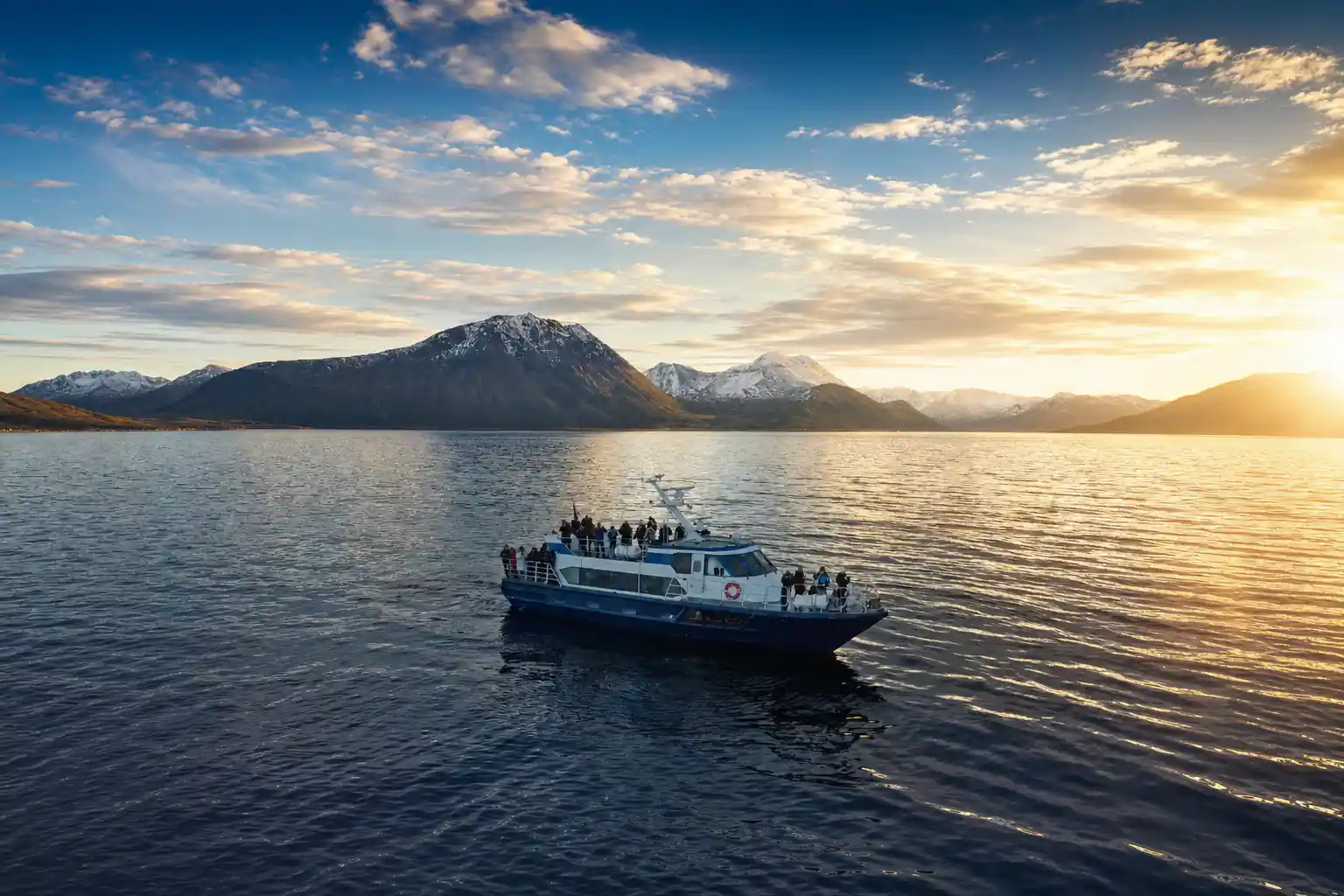
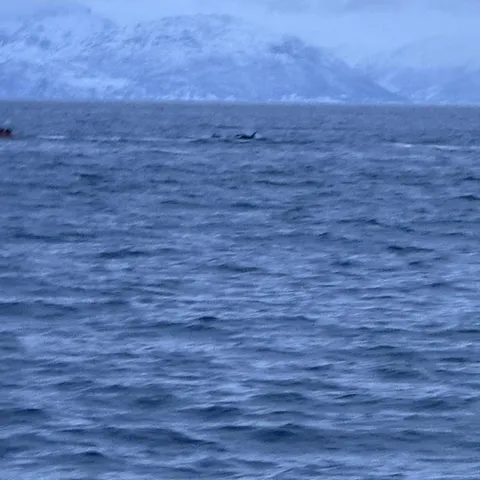
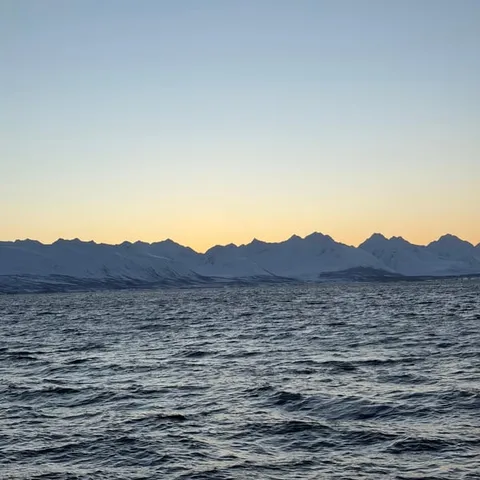
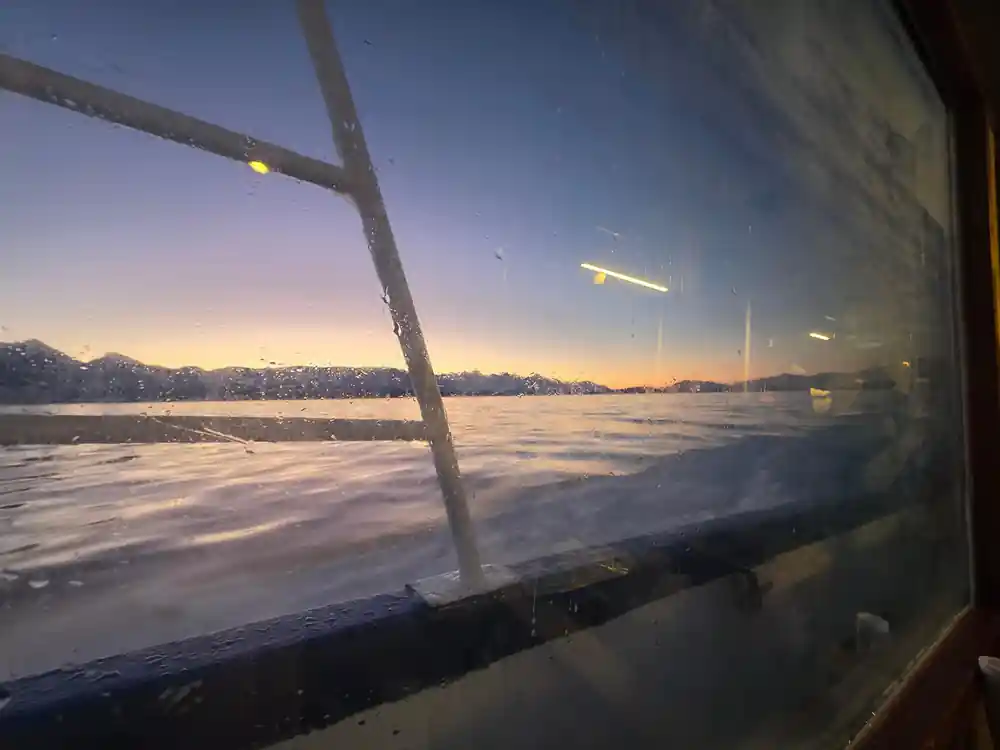
During the winter, orcas and humpback whales gather in the area to feed on herring.
Respect the whales, not the headlines
Getting ready
- Plan a full day out, not a quick hop.
- Pack layers, a windproof shell, warm boots, gloves and a hat.
- Check your transfer time between Tromsø Airport and the city.
- Book with free cancellation so you can adjust.
On the water
- Follow the crew's safety briefing before the boat leaves.
- Use the low winter light to spot blows and dorsal fins.
- Share the deck space politely; everyone is there for the same whales.
- Keep your booking confirmation and ID handy.
The short version
The phrase 'orca attack Tromsø' makes for an alarming search, but the winter reality of northern Norway is less about attack and more about abundance. In the fjords north of Tromsø, humpback whales and orcas gather every winter to feed on herring.[1] From September/October, Norwegian spring-spawning herring migrates northeast and overwinters near the coast and in northern Norway's fjords.[8] The whales are there for the herring, and the safari boats are there to watch. In a good season, the water can look crowded with fins, blows and diving birds.
Adult killer whales are not small animals. Males reach about nine metres in length and females up to eight metres.[4] That size commands respect, which is exactly why Norwegian whale-safari rules exist. Safari boats must keep at least 0.2 nautical miles, or 370 meters, away from fishing vessels, seines or fixed gear.[3] If you were swimming, diving or paddling, the required distance would be at least 0.4 nautical miles, or 740 metres.[3] These are not loose suggestions; they are the rules under which responsible operators run.
On the tour booked from this site, you spend 8 hours with a live English guide, following a sightseeing cruise route to Skjervøy, Norway.[2] The boat is not chasing animals to the limit. It is giving you a safe window into a seasonal feeding ground.
Where the name came from
The English name 'killer whale' sounds like a warning, so it is natural to search 'why killer whales don't attack humans' before booking a trip. The word 'orca' is simply the other common name for the same species, and you will hear both on boats in northern Norway. The old name came from the animal's reputation as a hunter, not from a list of human encounters in Norwegian fjords. Once you are on the water, the name fades into the background. The animal in front of you is doing something much less sinister: feeding.
What you see is a population at work. The herring are the first to arrive: in September/October, Norwegian spring-spawning herring moves northeastward toward its main winter habitat along the coast and in northern Norway's fjords.[8] Next the whales show up: orcas and humpback whales collect in the region each winter to prey on herring.[1] The water turns into a moving food web, and the safari becomes a wildlife film with the sound of engines and cold wind.
If you are asking whether these killer whales are dangerous to people, the more useful question is whether you are ready for a cold day on a boat. The rules and the season give you the boundaries, and your guide helps you read the water.
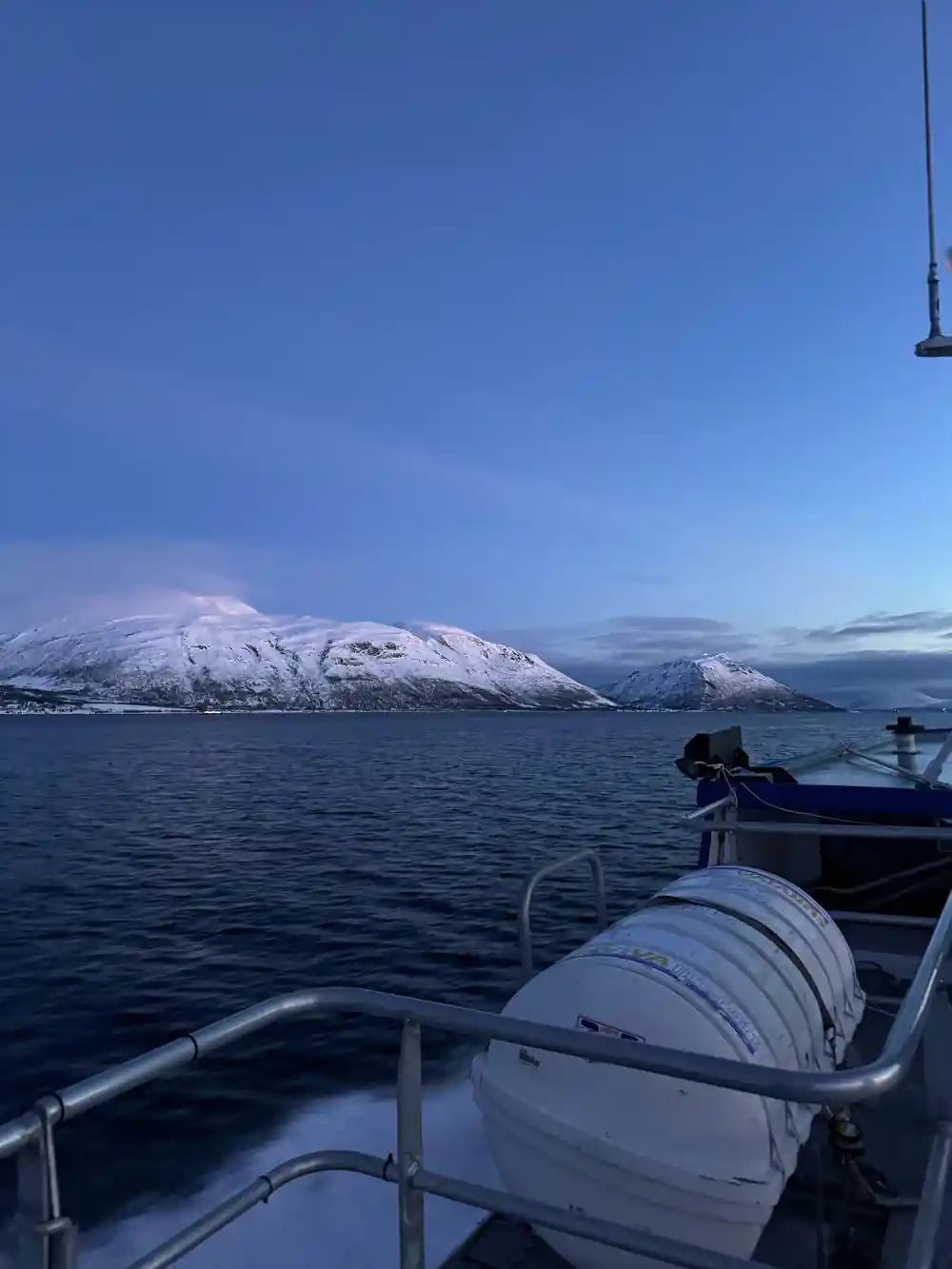
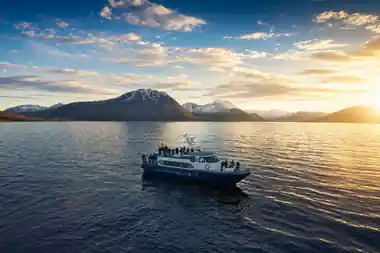
Whale-watching boat in a calm, snow-covered Norwegian fjord.
The population you are going to see
The orcas that visit Tromsø are wild animals, but they are not lost or aggressive wanderers. They are part of a seasonal movement tied to food. In September/October, northeastward migration brings Norwegian spring-spawning herring to its chief wintering grounds near the coast and in northern Norwegian fjords.[8] In winter, orcas and humpback whales congregate locally to feed upon herring.[1] This is a feeding aggregation, not a gathering for any other purpose.
That feeding behaviour shapes the whole safari. The route from this site is a sightseeing cruise through Skjervøy, Norway, an area where boats regularly find whales in winter.[2] The trip lasts 8 hours, with a live English guide, and you have plenty of time to scan the fjords, learn about the animals and move between areas.[2] Operators watch for blows, flocks of seabirds and the dark shapes of herring bait balls near the surface.
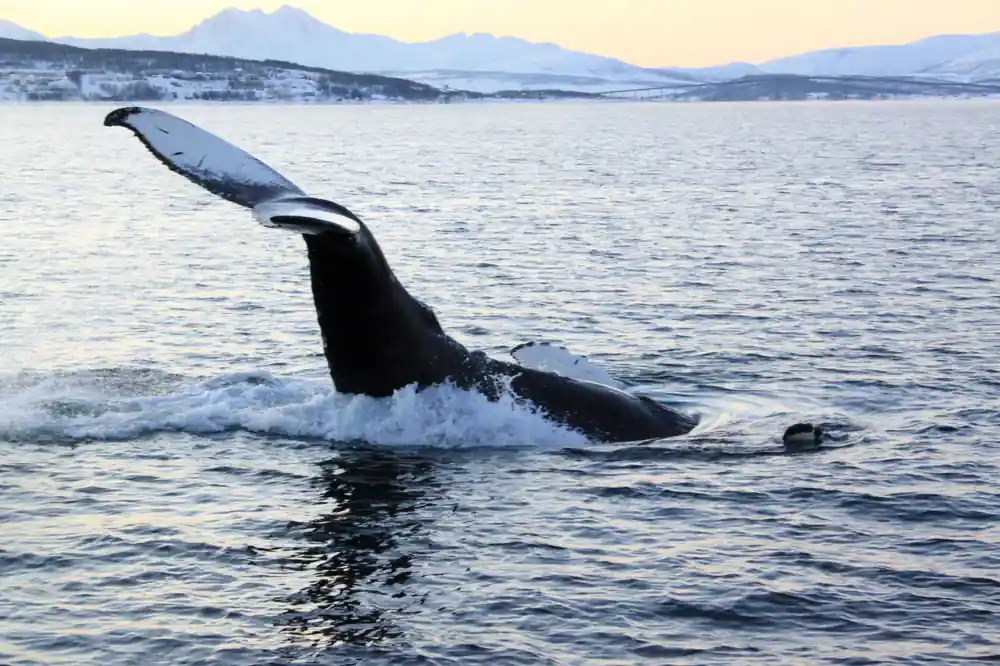
Expect to see more than one species. Humpbacks are common alongside orcas in the same feeding areas.[1] You may also see the surface actions that make these trips memorable: a dorsal fin cutting through a slick, a fluke rising into the air, or a sudden burst of feeding birds. None of that requires an 'attack' narrative.
The captive whales, and why they are not the same story
Some of the most uncomfortable 'orca attack' stories come from animals held in captivity. Those stories are about a very different life. The orcas you meet in the fjords around Tromsø are free, wild and following a seasonal food supply.[1] A whale in a tank has no herring to chase, no pod territory to cross and no winter migration to follow. A whale in the open fjords has all of those things.
The difference matters when you think about risk. A wild orca that feeds on herring is not scanning the water for people. It is scanning for fish. The rules that keep boats at a respectful distance also keep the whales calm and the encounter sustainable.[3] Watching from a safari boat, you are a guest at a feeding event, not an intruder in a concrete pool.
For many visitors, the highlight is watching a pod coordinate around a shoal. You do not need to understand every click and whistle to feel the tension in the air. The guide will point out the signs, and the animals will do the rest.
from US$264
The Tromsø Whale & Orca Safari, an 8-hour tour, starts at US$264; it includes a live English guide and free cancellation no later than 24 hours ahead.[2]
The boats off Spain and Portugal
When people search for 'killer whale attack', they are usually thinking of the dramatic encounters off Spain and Portugal. If you have read about orcas ramming yachts, that story comes from waters far south of Norway. The animals there live in a different environment, and their behaviour gets a different set of headlines. Tromsø is a different place, and the rules are different. The cultural memory of those encounters should not stop you from enjoying a whale safari in northern Norway.
For your trip, the important thing is what happens in northern Norwegian waters. Norwegian whale-safari rules set clear minimum distances: boats must keep at least 0.2 nautical miles (370 meters) from fishing vessels, seines or fixed gear.[3] For swimming, diving and paddling, the distance is at least 0.4 nautical miles (740 metres).[3] These rules exist to keep the encounter calm.
The distance rules also tell you something about expectations: you are there to observe, not to interact. The whales are not performing. They are feeding, and the herring migration is what brings everyone together.[8]
So what should you actually worry about
The practical risks are cold, dark and disappointment, not an orca attack in Tromsø. The average winter temperature is around -4°C.[9] The polar night lasts roughly between 27 November and 15 January. In the middle of whale season, that means limited daylight for part of your day.[5] It might sound dramatic, but it is also atmospheric: the fjord glows, the boat lights reflect on the water, and the whales appear as dark shapes with white flashes.
Dress in layers, add a windproof shell, warm trousers, insulated boots, a hat, gloves and a neck buff. You will spend time standing still on deck, and that is when the cold bites. A hot drink helps, and the all-inclusive style of this safari makes it easier to stay comfortable. Hand warmers are worth their weight in gold on a long 8-hour trip.[2]
Watch the calendar too: auroras can be visible in the Tromsø region between late August and early April whenever the sky is dark and clear enough.[10] A winter whale safari can double as an aurora outing if the skies co-operate, but whales come first. The boats are looking for fins, not green light.
The practical takeaway
Book the Tromsø Whale & Orca Safari from this site for a full 8-hour day on the water with a live English guide, free cancellation up to 24 hours in advance and a route to Skjervøy, Norway.[2] It starts from US$264, and you can reserve now and pay later.[2] The all-inclusive setup means you can focus on the wildlife instead of fumbling with snacks and tickets.
Give yourself time to get to the harbour. It takes about 10-20 minutes to get from Tromsø Airport to the city centre.[11] Check the starting point when you book, arrive early and let the crew worry about the whales. If you arrive by car, leave extra time for winter parking and for scraping ice off the windscreen.
Above all, treat the trip as a wildlife encounter, not a thrill ride. Orcas and humpbacks are large enough to command respect, but the whales you are going to see are busy feeding on herring, and the safari is designed to watch that happen without getting in the way.[1] The only 'orca attack' you are likely to experience is an attack of pure excitement when a tall black dorsal fin rises beside the boat.
Whale safari durations
Compare whale safari prices
When to book your orca safari
How to plan your orca safari
Pick your season
Whale season falls in winter, when orcas and humpbacks meet to feed on herring.[1] Check dates for the 8-hour trip from this site.[2]
Book with freedom
Reserve now and pay later, with free cancellation up to 24 hours in advance for a full refund.[2]
Dress for minus four
In Tromsø, the mean winter temperature sits near -4°C. Plan layers, a windproof shell and insulated boots.[9]
Travel light to the harbour
Give yourself 10-20 minutes each way between Tromsø Airport and the city centre, then add winter buffer time.[11]
Know the distance rules
Boats must keep at least 0.2 nautical miles, and swimming, diving or paddling at least 0.4 nautical miles, from fishing vessels or gear.[3]
Expect polar darkness
Polar night runs approximately from 27 November to 15 January. Make the most of whatever light you get.[5]
Ready to watch orcas in their winter feeding grounds?
from US$264Reserve now & pay later