In a nutshell
- During winter, the fjords north of Tromsø host orcas and humpback whales that feed on herring, not sharks; follow the fish.[1]
- Tromsø Whale & Orca Safari, All-Inclusive (Max 50 pax), is priced from US$264 for an 8-hour day with a live English guide and a sightseeing cruise at Skjervøy.[2]
- In September/October, herring migrate northeastward to wintering areas in fjords and off the coast; whales are in the region during winter.[1][3]
- Around -4°C is Tromsø's average winter temperature, so dress in a windproof shell and warm layers.[4]
- Reserve now and pay later, with free cancellation up to 24 hours in advance for a full refund.[2]
- Top choice Tromsø Whale & Orca Safari from US$264 Duration8 hours[2]Live guideEnglish[2]CancellationFree up to 24 hours in advance[2]Rating4.58[2]Reviews1,718[2] Check availability
- Whale Safari on Catamaran from US$220 Duration8 hours[5]Live guideEnglish[5]CancellationFree up to 24 hours in advance[5]Rating4.61[5]Reviews3,768[5] See this tour
- Hybrid-Electric Whale Boat from US$209 Duration9 hours[6]Live guideEnglish[6]CancellationFree up to 24 hours in advance[6]Rating4.48[6]Reviews6,644[6] See this tour
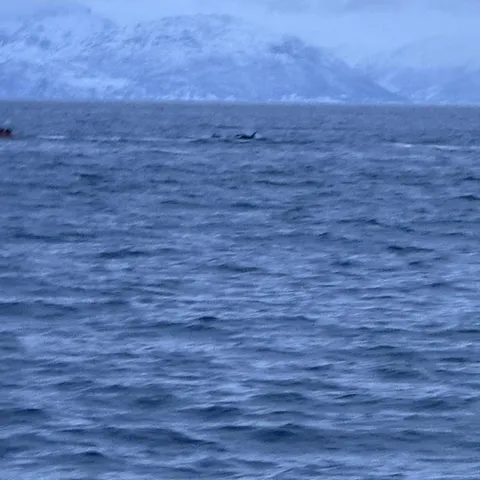
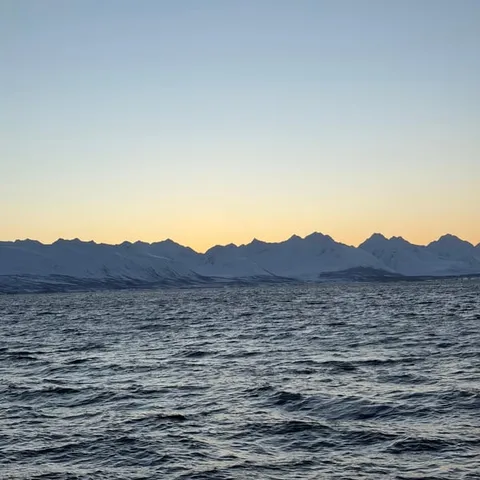
The Polar Night lasts approximately from 27 November to 15 January, while the exact date when the returning sun becomes visible depends on your location and the surrounding terrain.
A herring-fuelled safari worth building a Tromsø day around
Things to check
On the day
The fish that runs the Norwegian coast
Norwegian spring-spawning herring is the quiet engine behind Tromsø's winter whale show. The fish head northeast every autumn; by September/October they are established in their main wintering spots along the coast and in the fjords of northern Norway.[3] That movement is the invitation card for orcas and humpback whales, and it is why whale-watching boats point north rather than searching randomly.
You do not need to be a fish biologist to enjoy the day, but knowing the herring is the key makes everything click. The guide is not chasing a rumour; the whole route is built around the same seasonal migration that draws the whales in. When the herring are present, the fjords feel alive with birds, fins and feeding activity.
For first-time visitors, travelling through winter darkness can feel daunting. In practice the day is straightforward. You board in the morning, the guide explains the plan, and the hours pass quickly between the islands. The herring story gives the journey a clear purpose, and the landscape between sightings is part of the reward. Bring a flask, settle into a window seat, and let the crew handle the navigation.
Why the whales come
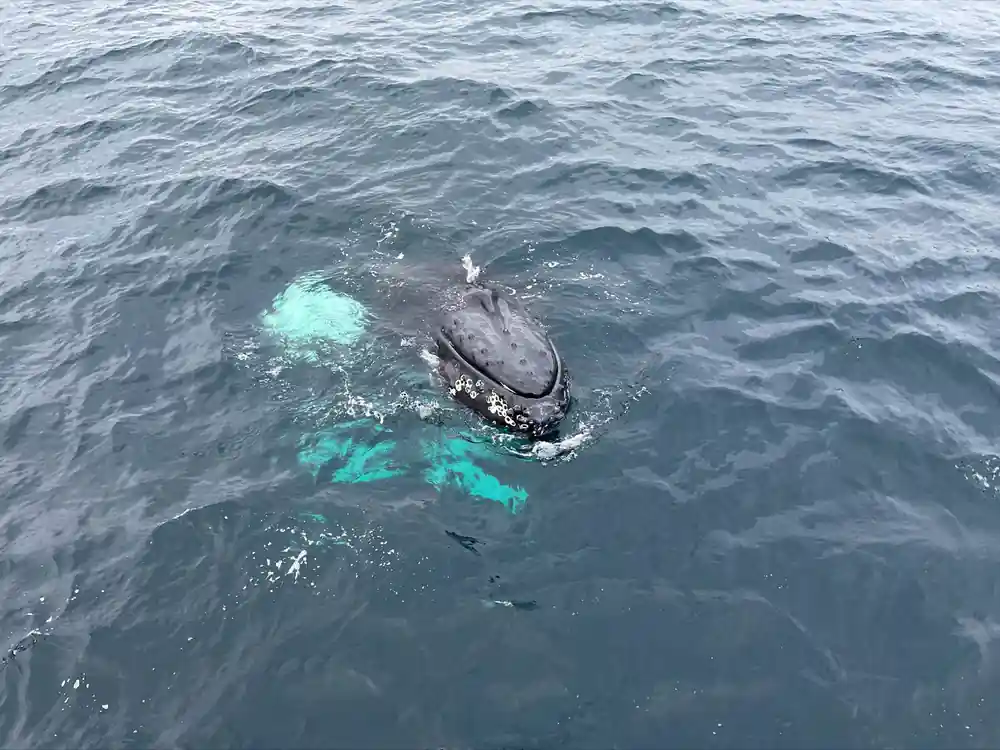
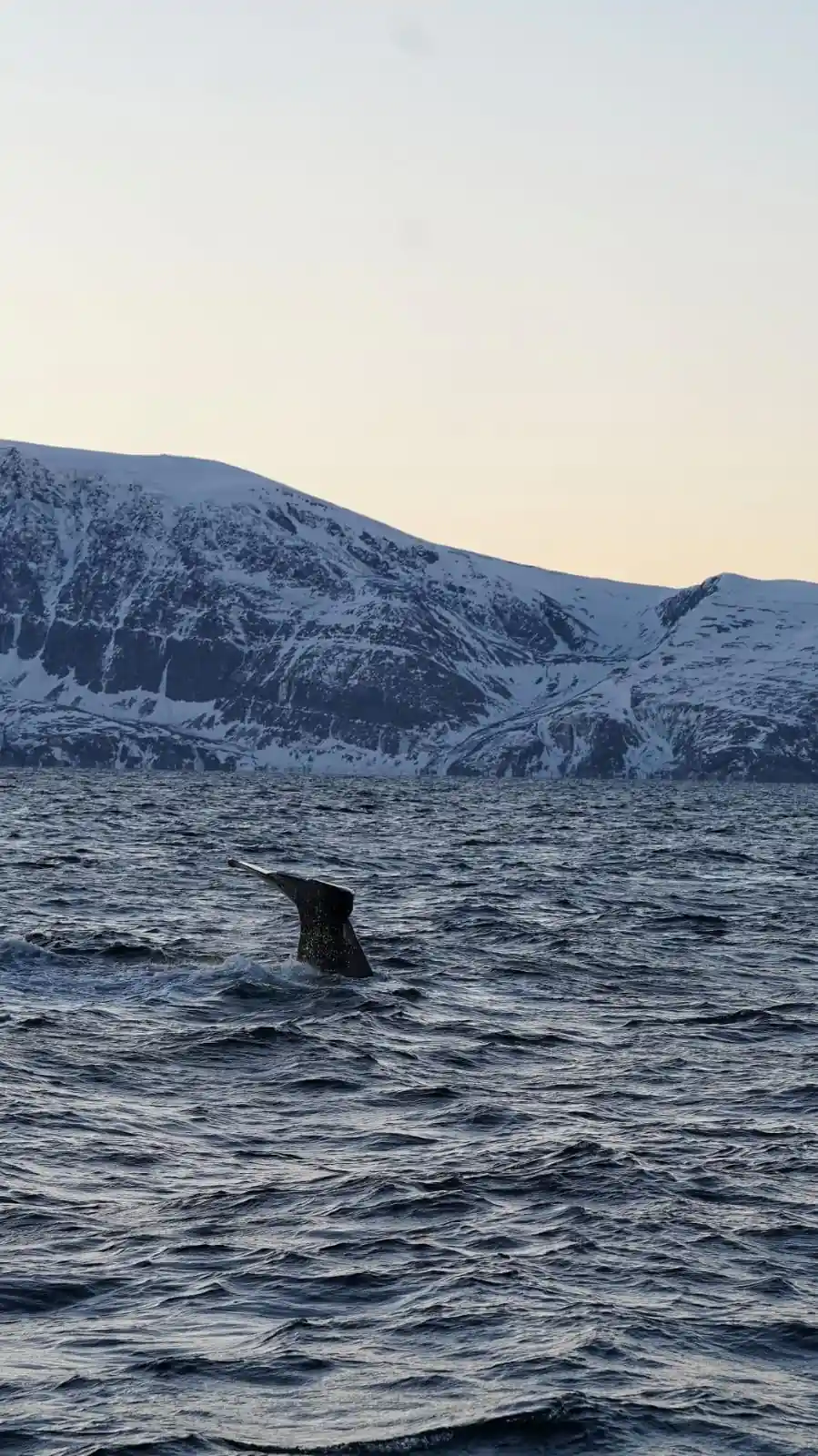
In winter, orcas and humpback whales come to this area to feed on herring.[1] This is a feeding stop, not a random encounter. The whales are here for the herring, and their presence is what makes a winter safari so special.
Adult male killer whales reach about nine metres in length and females up to eight metres; seeing animals that size working together on a herring shoal is unforgettable.[8] The tour heads toward Skjervøy, an area where these feeding aggregations have been a regular winter sight, and the sightseeing cruise format lets you watch from the boat without crowding the wildlife.
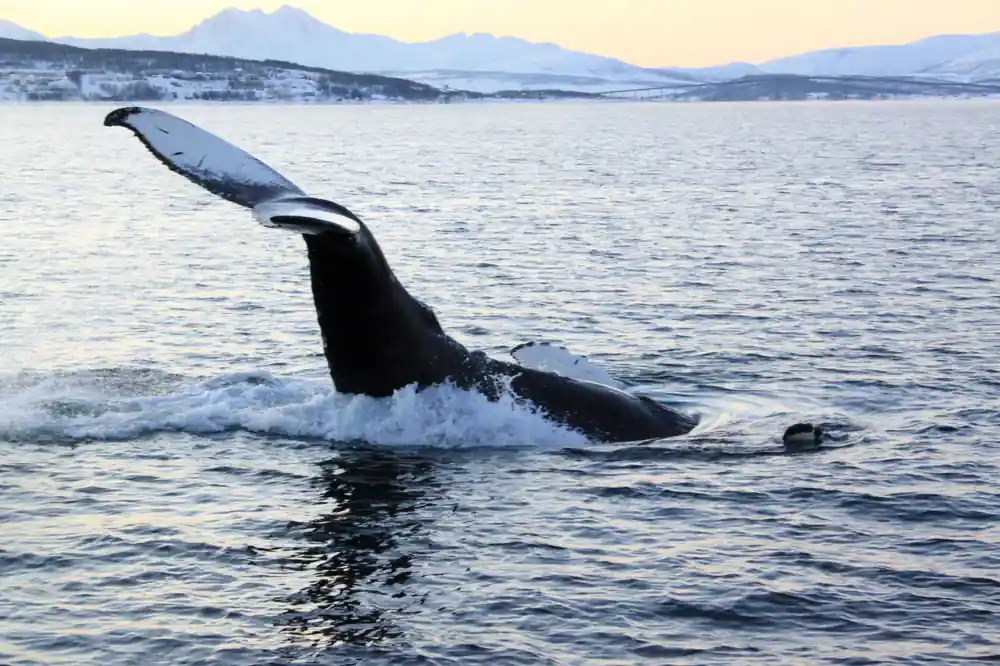
What makes the behaviour so striking is the teamwork. Orcas work together to herd herring into tight balls near the surface, often alongside humpbacks. From the deck you may see fins cutting the water, birds diving, and then a sudden burst of feeding activity. It is wild, fast and completely different from a zoo encounter. Even the quieter moments, when the boat idles and everyone scans the horizon, carry a special tension.
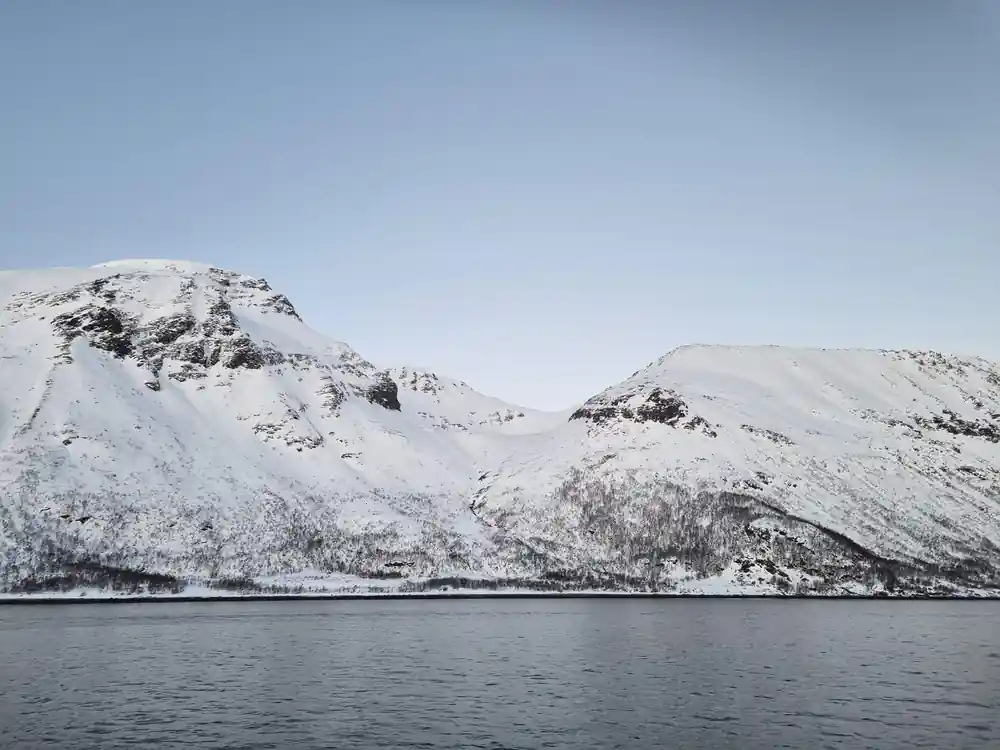
Orcas and humpback whales gather in the fjords north of Tromsø when the herring arrive.
A stock worth protecting
Herring is a migratory fish, and its wintering areas in northern Norway sit at the centre of a story that includes fishing, science and protection. You do not need the full history to enjoy the safari; what matters is that the herring arrive, the whales follow, and the boats stay at a respectful distance.
There are rules to keep the encounter responsible. In Norway, vessels conducting whale safaris must keep at least 0.2 nautical miles (370 metres) away from fishing vessels, seine or fixed gear.[9] That distance protects the fishermen and the whales, and it means you watch the behaviour without the animals being chased or boxed in.
The practical takeaway for travellers is simple: choose a tour that behaves well. The all-inclusive safari operates as a sightseeing cruise, which means you watch from a stable platform rather than chasing every fin. Knowing the distance rules exist also lets you relax. The boats give the animals room, the whales are free to feed or move on, and you come away with a clear conscience as well as photographs.
The wintering ground moves with the fish
In September/October herring move northeast to their main wintering grounds along the coast and in northern Norway's fjords, so their exact position varies with the season.[3] A good tour operator treats the route as a live search rather than a fixed itinerary.
The Tromsø Whale & Orca Safari is organised around Skjervøy and a sightseeing cruise, which gives the guide room to adjust while still showing you a classic Norwegian fjord landscape.[2] If the fish have moved, the captain moves with them; a guided day gives you that flexibility.
For the traveller, that flexibility is the difference between a sightseeing loop and a genuine wildlife expedition. The captain reads the sea, the birds and the other boats, and the guide keeps you informed as the plan develops. The day feels live and responsive, and that is exactly what you want when the target is a wild animal that answers to no one.
from US$264
Book the all-inclusive Tromsø Whale & Orca Safari and follow the winter herring run that draws orcas to the fjords.
What happens if it moves again
Whale watching is never a guarantee, and herring movements can change from one week to the next. That is why the booking terms matter as much as the wildlife. You can reserve this safari now and pay later; cancelling at least 24 hours in advance means a full refund.[2]
The tour is listed at 8 hours, which gives the captain time to travel towards the feeding grounds and still get you back at a sensible hour.[2] A live English-speaking guide is on board throughout, so you will know what is happening and why the boat is heading where it is heading.[2]
It helps to treat the safari as a winter expedition rather than a product with a guarantee. The sea decides, and the professionals adapt. If the whales are distant, you still get a long scenic journey through the fjords. If they are close, you get one of the great wildlife shows on the planet. Either way, the day holds its own and you finish with a story.
An all-inclusive way to see the orcas
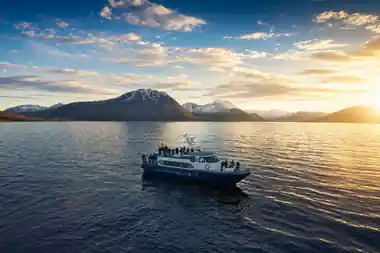
The Tromsø Whale & Orca Safari, All-Inclusive (Max 50 pax), is the tour booked through this site. The tour lasts 8 hours and includes a live English-speaking guide; prices start at US$264.[2] The boat is large enough to feel stable in winter seas, and the all-inclusive approach means fewer decisions once you have booked.
The route is built around Skjervøy and a sightseeing cruise, combining the whale search with a proper look at the Norwegian coast.[2] Between whale sightings, you are still getting a tour; the herring grounds, the snow-covered peaks and the working fishing villages are all part of the experience.
The all-inclusive format also matters in practical terms. In winter you want to spend your energy watching the sea, not queueing for tickets or deciding whether to pay extra at each stage. Having the whole day organised in one booking supports that. You turn up, climb aboard and let the crew take care of the rest, which leaves you free to enjoy the fjords properly.
Plan around the polar night and winter light
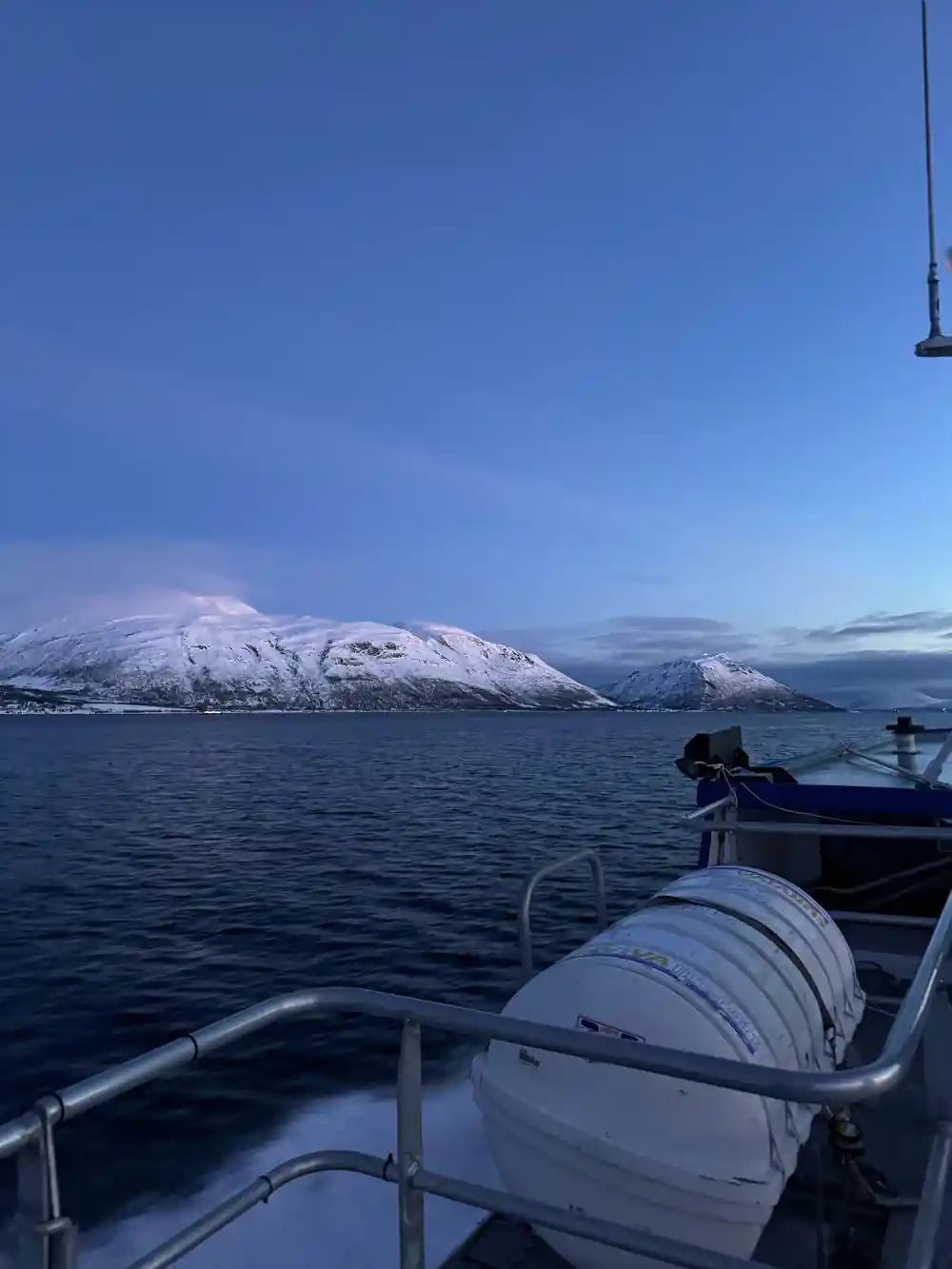
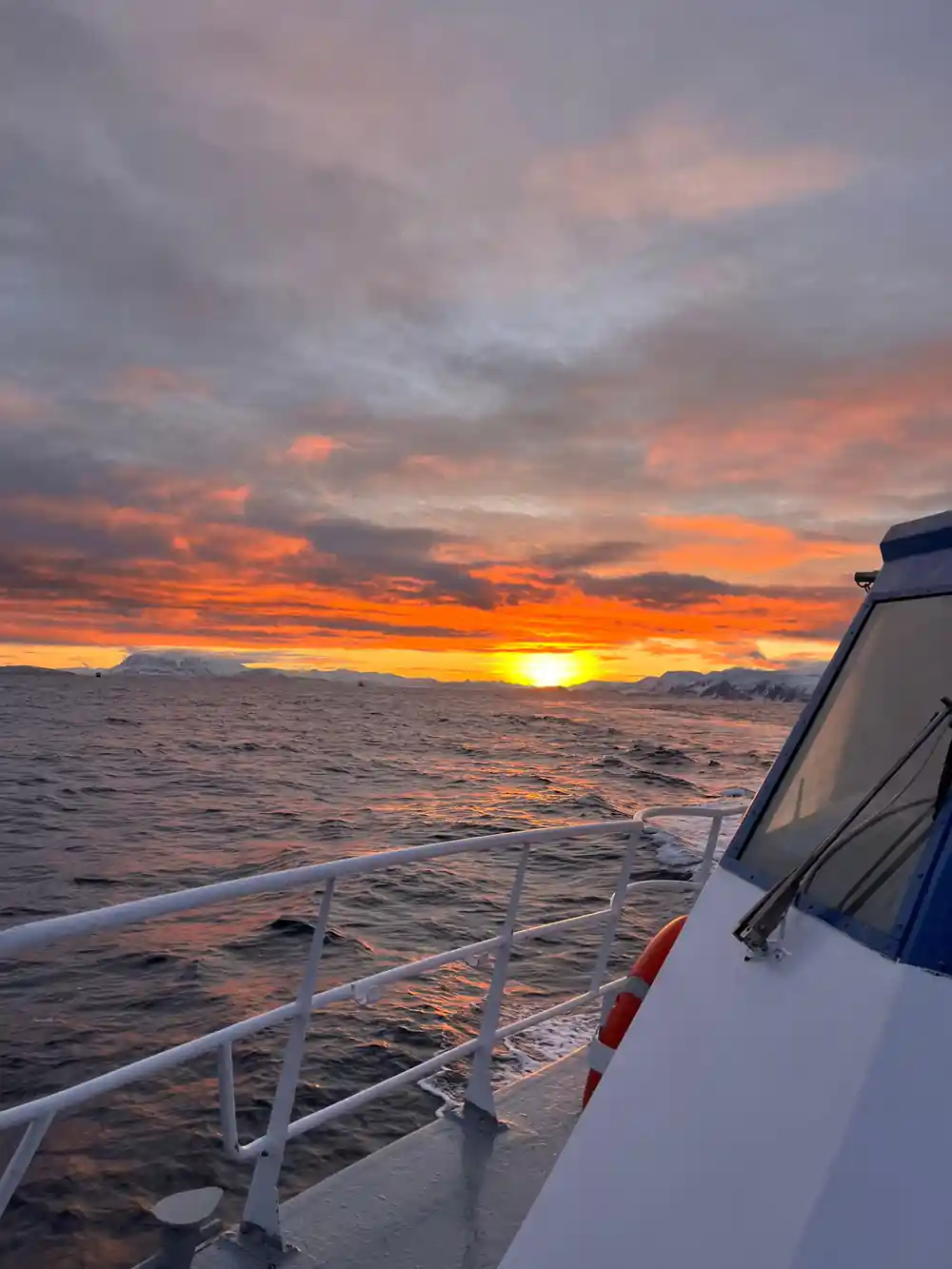
Winter days are short, and that is part of the charm. In Tromsø, polar night lasts from about 27 November to 15 January; when the sun reappears depends on your location and nearby terrain.[10] That does not mean total darkness all day; it means soft, moody light that makes the fjords look even more dramatic.
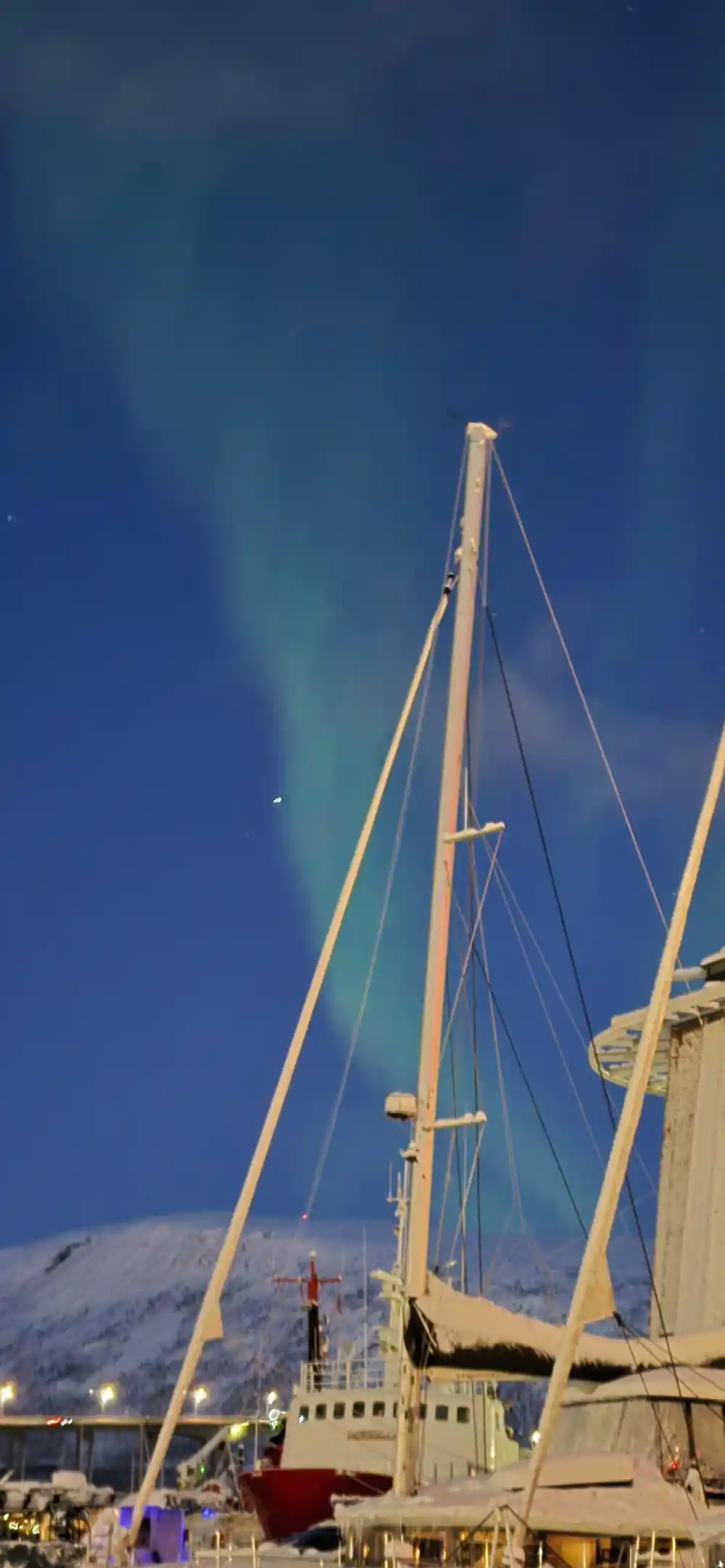
Winter temperatures average near -4°C; wear layers and keep your face and hands covered.[4] From late August to early April, northern lights can appear if the sky is dark and clear enough; your safari day might finish with a display above.[11] If you are flying in, the airport is only about 10-20 minutes from the city centre, which makes a morning departure easy.[7]
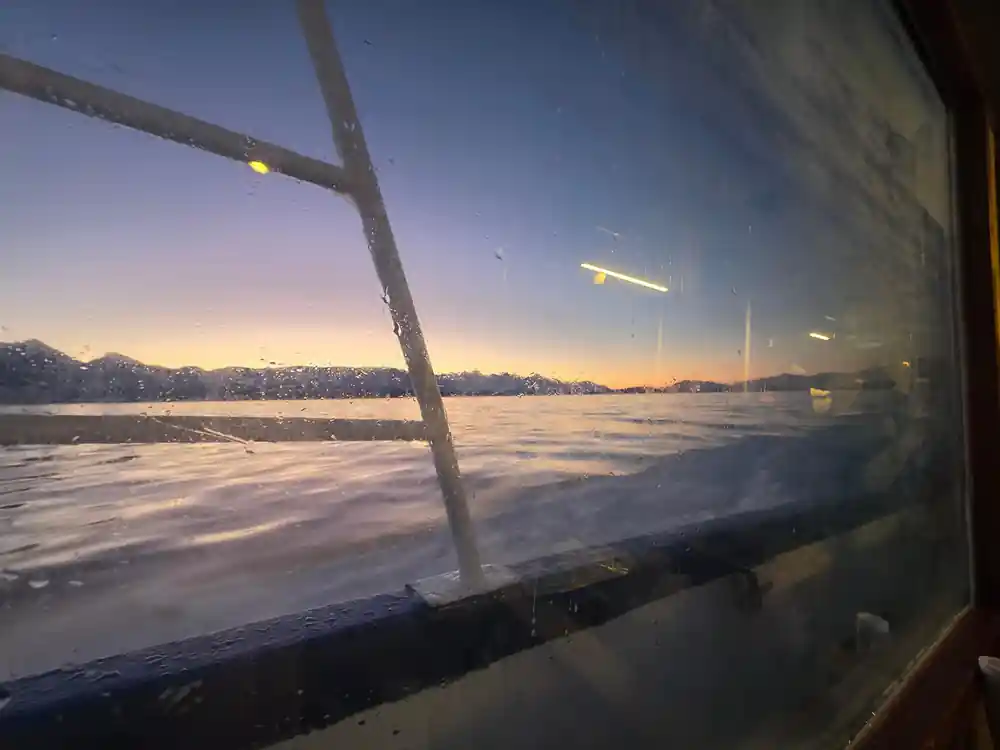
Light is the hidden ingredient of a winter safari. When the sun stays low, the snow-covered islands turn pink and blue, and the water takes on a metallic sheen. Even on days when the whales are shy, the light alone can make the trip worthwhile. Bring a camera with a good zoom, keep it in a dry bag when the spray is flying, and stay warm.
Tromsø whale safari from prices
From prices in US dollars for five tours:[2],[5],[6],[12],[13].
Compare whale safari prices
All amounts are from prices in US dollars from GetYourGuide listings[2],[5],[6],[12],[13].
When to book your whale safari
How to book and go
Choose your winter date
Whale season is winter, and the safari departs with an English-speaking guide.[1][2]
Reserve now, pay later
Book with reserve now and pay later, and cancel free up to 24 hours in advance if plans change.[2]
Pack for the Arctic
Average winter temperature is around -4°C, so build layers and bring a warm hat.[4]
Reach the boat
The tour is based around Skjervøy, and the airport is about 10-20 minutes away from the city centre.[2][7]
Give it the full day
Plan for the full 8 hours, with a live English guide and sightseeing cruise at the heart of it.[2]
Book the all-inclusive Tromsø Whale & Orca Safari and follow the herring
from US$264Reserve now & pay later