In a nutshell
- People ask why killer whale called killer; the fuller story is about dialects, learned calls, and family.
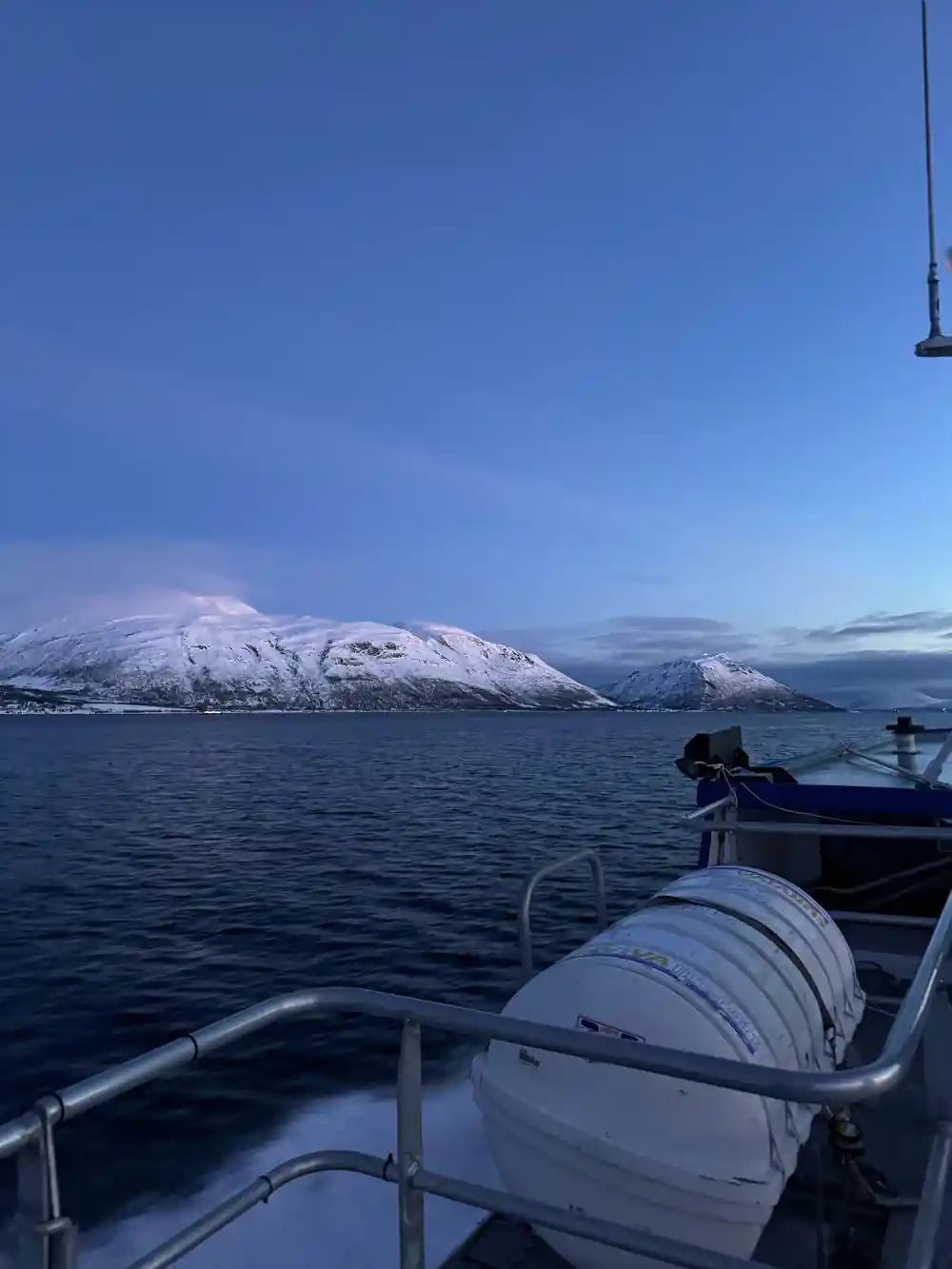
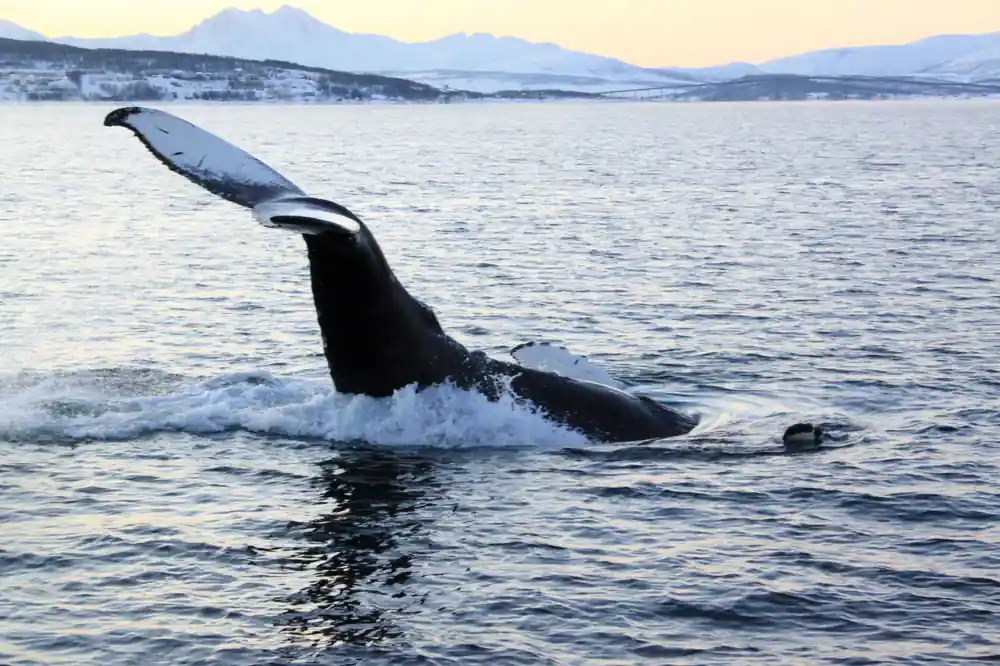
- Orcas and humpback whales gather in winter in the fjords located north of Tromsø to feed on herring.[1]
- In September/October, Norwegian spring-spawning herring swims northeastward to wintering areas in northern Norway.[2]
- The all-inclusive safari from this site lasts 8 hours and includes a sightseeing cruise at Skjervøy, Norway.[3]
- Boats keep at least 0.2 nautical miles (370 meters) from fishing vessels and gear; swimming, diving and paddling keep 0.4 nautical miles (740 meters).[4]
- Top choice Whale & Orca Safari from US$264 Duration8 hours[3]Rating4.58 from 1,718 reviews[3]GuideLive English guide[3]CancellationFree cancellation[3] Check availability
- High-Speed Catamaran from US$220 Duration8 hours[5]Rating4.61 from 3,768 reviews[5]GuideLive English guide[5]CancellationFree cancellation[5] See this tour
- Hybrid-Electric Boat from US$209 Duration9 hours[6]Rating4.48 from 6,644 reviews[6]GuideLive English guide[6]CancellationFree cancellation[6] See this tour
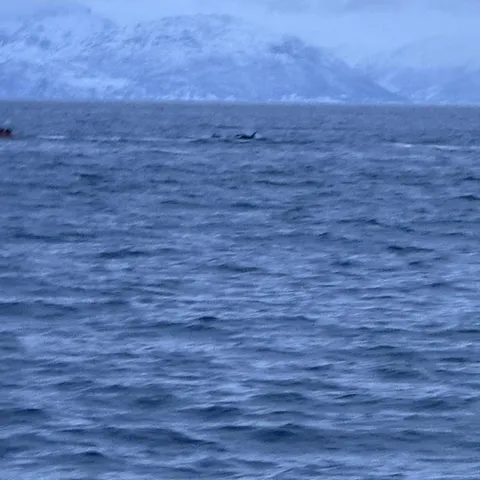
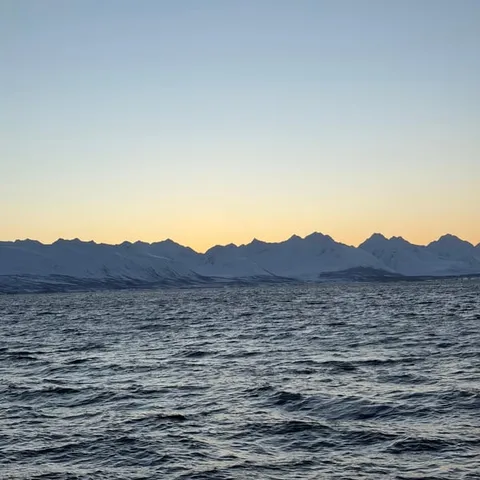
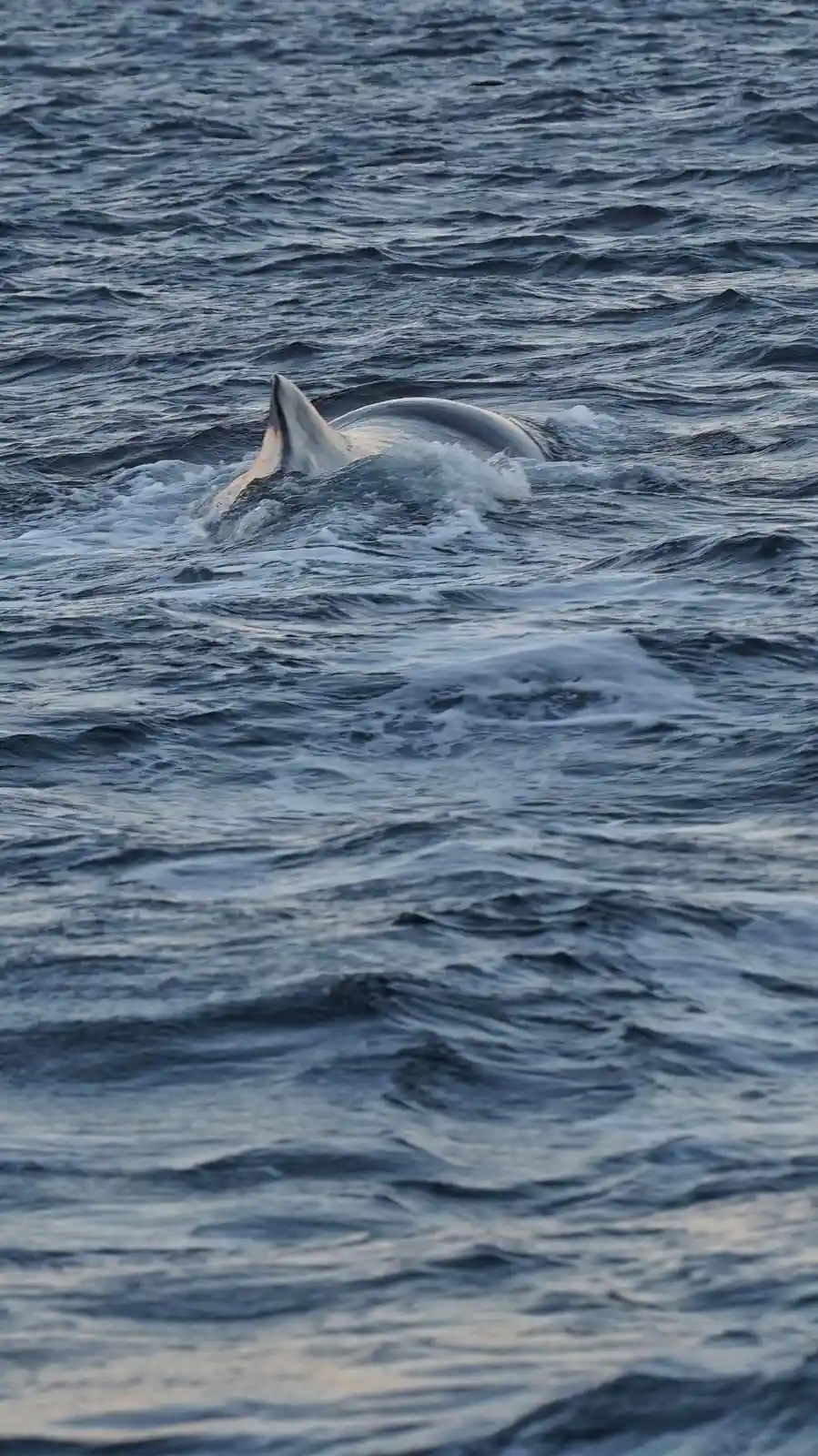
During the winter, orcas and humpback whales gather in the area to feed on herring.
Why this whale safari is worth it
Booking basics
Why killer whale called killer
People ask why killer whale called killer almost as soon as they arrive in Tromsø. The name is older than modern science, but it stuck long after researchers learned that killer whales are large ocean dolphins, not menacing fish. Some ask the question the other way too: why orcas are called killer whales when they are not whales at all. What makes the name useful today is that it starts a conversation about how these animals live, travel and talk.
On a winter safari you are asking a related question: can you hear the difference between families? Biologists can. Different pods grow up with different calls, and those local accents are called dialects. A dialect is not a language, exactly, but it is a shared way of making sound that says who you are.
There is a reason the question keeps coming up in Tromsø: the whales are close to town in winter. You do not have to travel for days to meet them. You can join a safari from the city, and the guide will point out the same animals that have been studied for decades.
What a dialect actually is
A dialect is a pattern of calls that a group learns from its elders and neighbours. Orca calves stay with their mothers, so the calls they hear in their first years shape the sounds they use for the rest of their lives. This is why scientists sometimes describe separate communities as having their own accent or dialect.
For travellers, the practical hook is simple: if you see orcas on a safari, you are hearing animals that probably grew up together. They make calls to stay in touch, to hunt and to keep the group coordinated. None of that needs a microphone; with a calm sea and a good guide you can notice the rhythm change as animals surface and dive.
If you want to test the idea, listen to recordings from different regions before you go. Southern resident orcas in the Pacific sound different from Atlantic killer whales, and both differ from the animals that visit Arctic Norway. The shape of the calls, the speed of the clicks, and the length of the pauses all carry information.
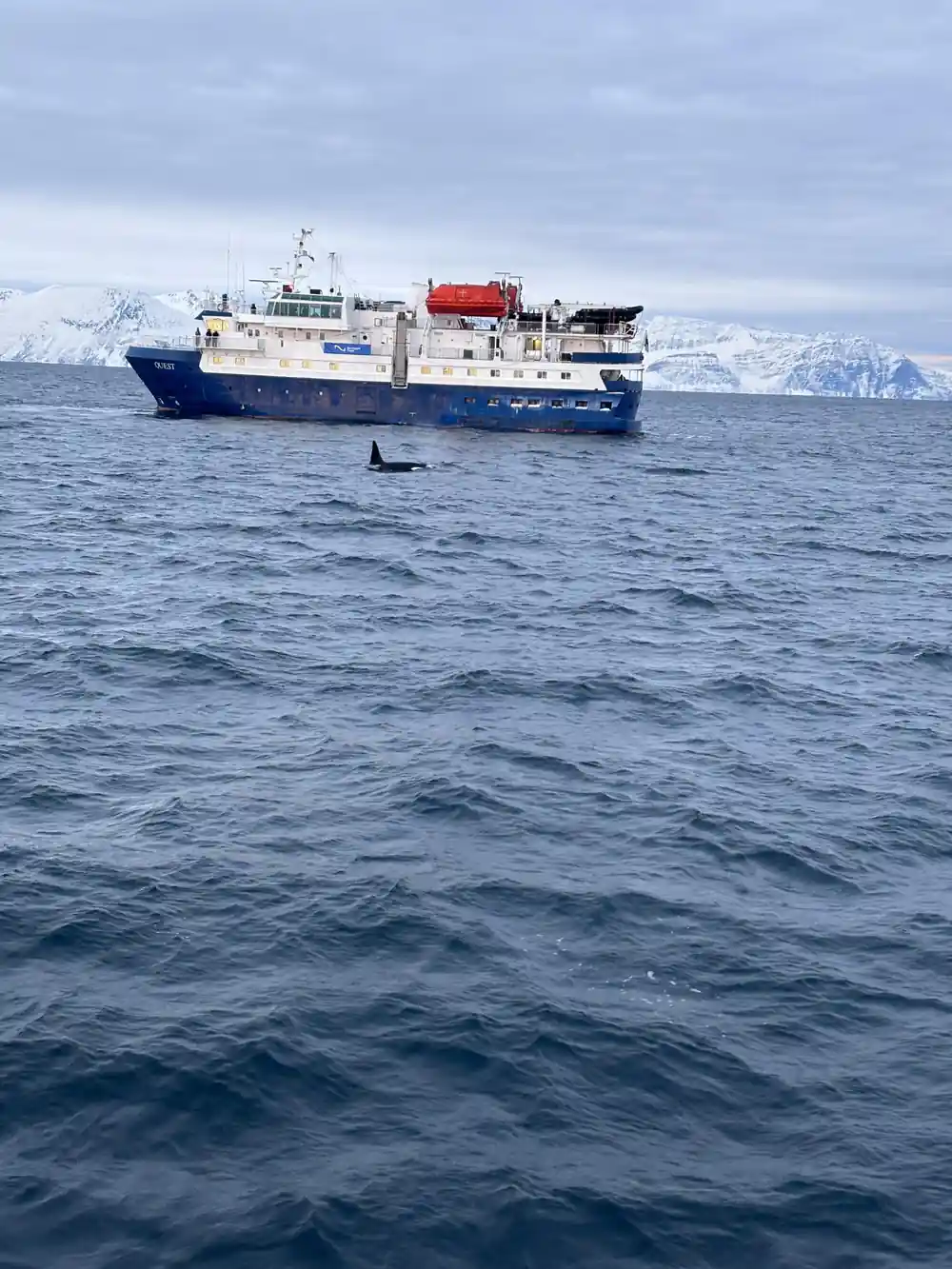
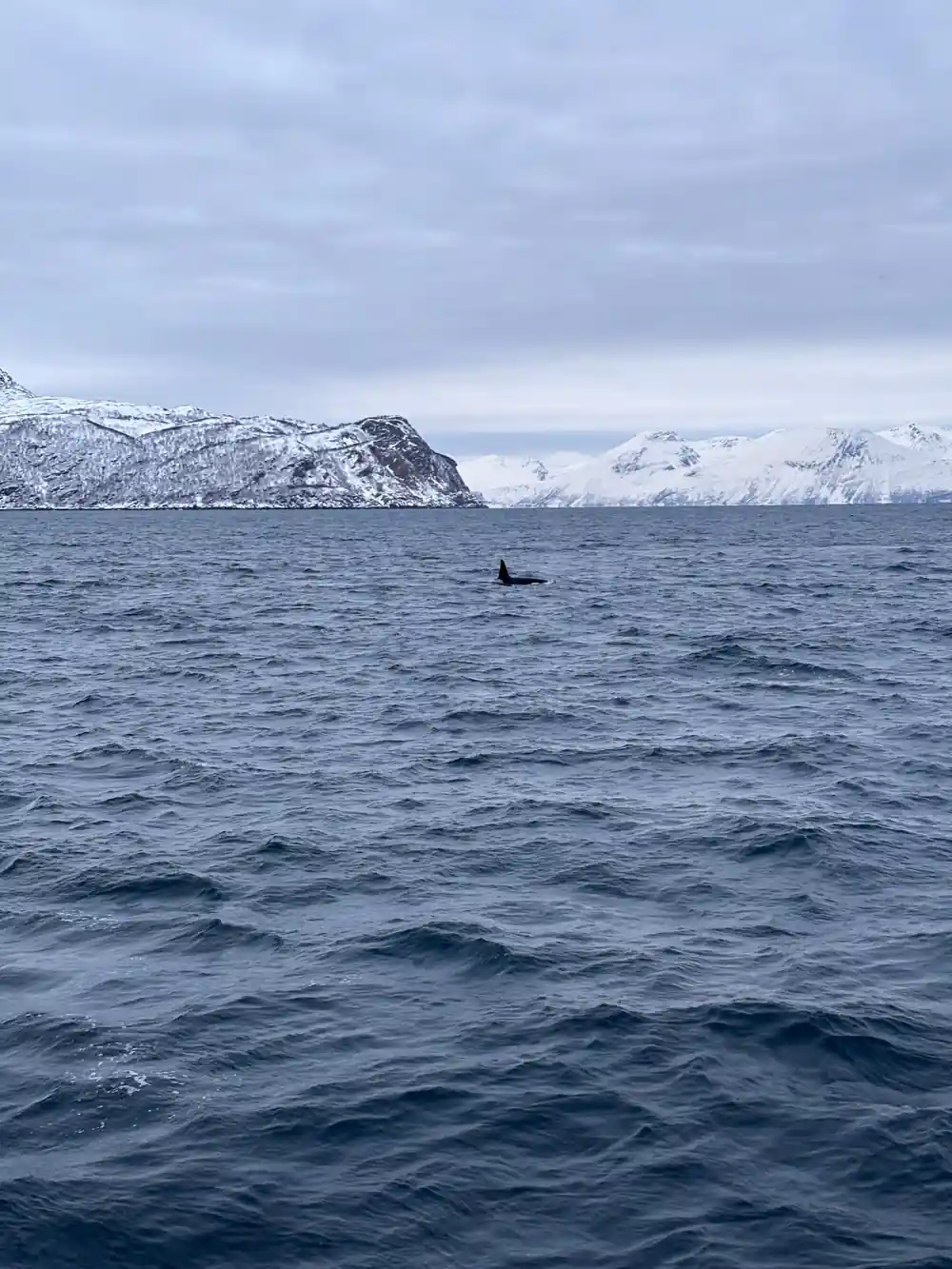
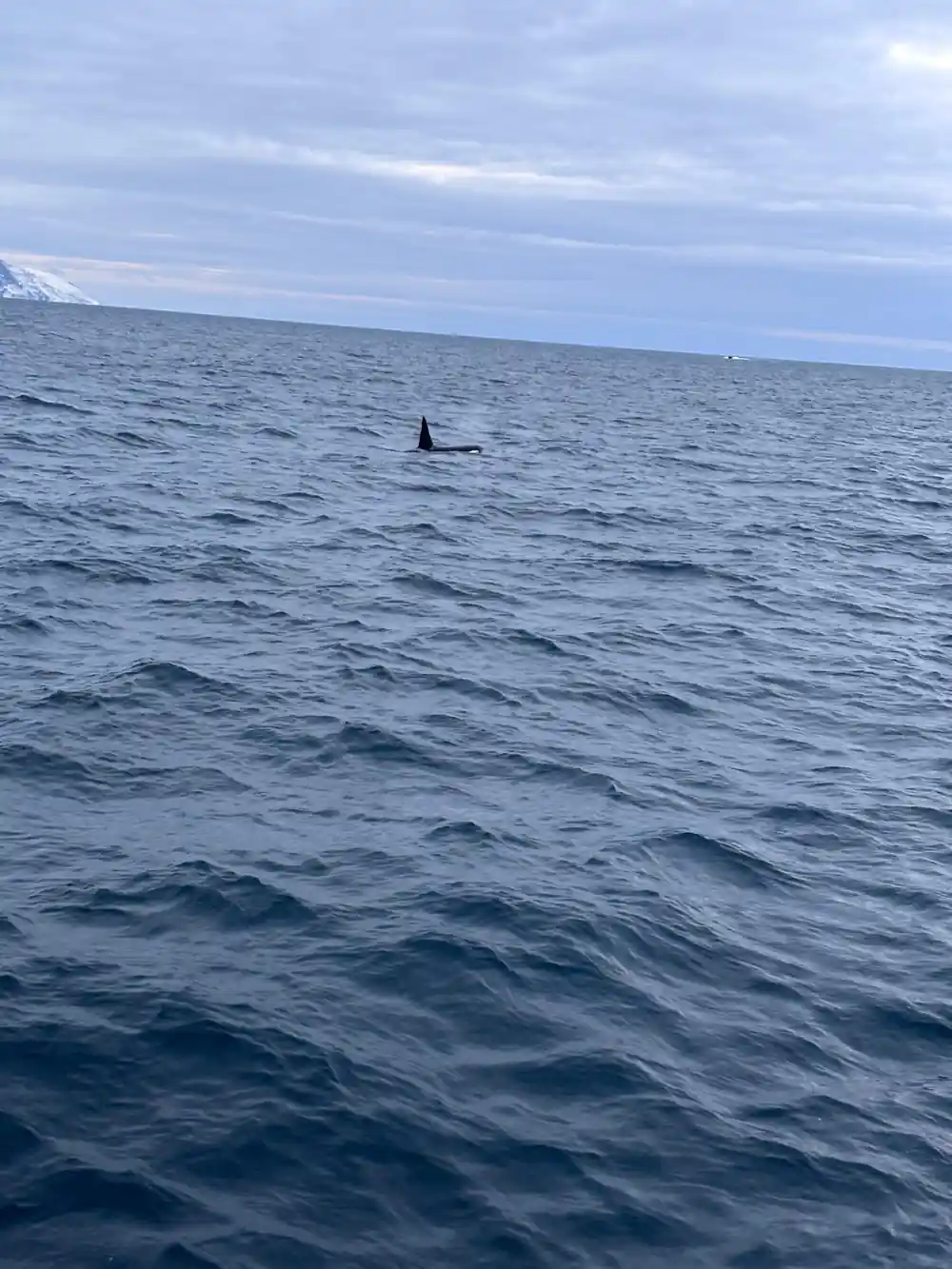
A dorsal fin slicing the surface is often the first sign an orca is close.
Three different noises for three different jobs
People often ask why killer whales are called orcas, and the answer is a simple story of European science borrowing from Latin. The species name is Orcinus orca, and the word orca has travelled alongside the English killer whale for centuries. Both names now point to the same black and white animal.
In the water, sound does three main jobs. Echolocation clicks bounce off fish and help an orca see with sound. Whistles sound more musical and are used in social moments. Pulsed calls are the longer, creaky calls that travel well and form the backbone of a pod's dialect. The exact balance changes with the moment, but the pattern is consistent enough to study.
You do not need to memorise the science to enjoy it. On the water, the practical difference is that orcas are rarely silent for long. They breathe loudly, splash, and sometimes slap their tails. The more time you spend watching, the more the pattern reveals itself.
Reading relatedness through sound
Because dialects are learned, they work like a rough family tree. Pods that spend time together sound more alike; pods that split apart slowly drift into different versions of the same calls. Listen to two groups over time, and you can hear how closely they are related without seeing a drop of blood.
Some orca communities specialise in fish, others in marine mammals, and those lifestyles shape what they eat and where they travel. In the Pacific, for example, residents of Puget Sound have their own fish-eating culture. That is why people ask are there orcas in the Puget Sound: yes, and they are among the most studied whales in the world.
Relatedness is not just academic. It is the reason some communities are protected, and it is why conservationists worry when a pod loses a calf. The calls are a cultural inheritance, not a fixed instinct. Lose a caller, and a piece of the dialect disappears with it.
from US$264
This all-inclusive 8-hour Tromsø safari includes a live English guide, and you can cancel for free up to 24 hours before the trip.[3]
Why these orcas keep quiet while hunting
In September/October, northeastward migration brings Norwegian spring-spawning herring to its chief wintering grounds near the coast and in northern Norwegian fjords.[2] Humpback whales and orcas can be spotted in the fjords north of Tromsø during winter, assembling there to eat herring.[1] Adult males reach about nine metres in length and females up to eight metres, so a close look is unmistakable.[10]
Hunting is often surprisingly quiet. The calls change, the clicks slow, and the pod moves with less splash. Fish are sensitive to sound, and a quiet approach seems to work for these hunters. Then, in a sudden rush, the surface bursts open and the air fills with excited calls.
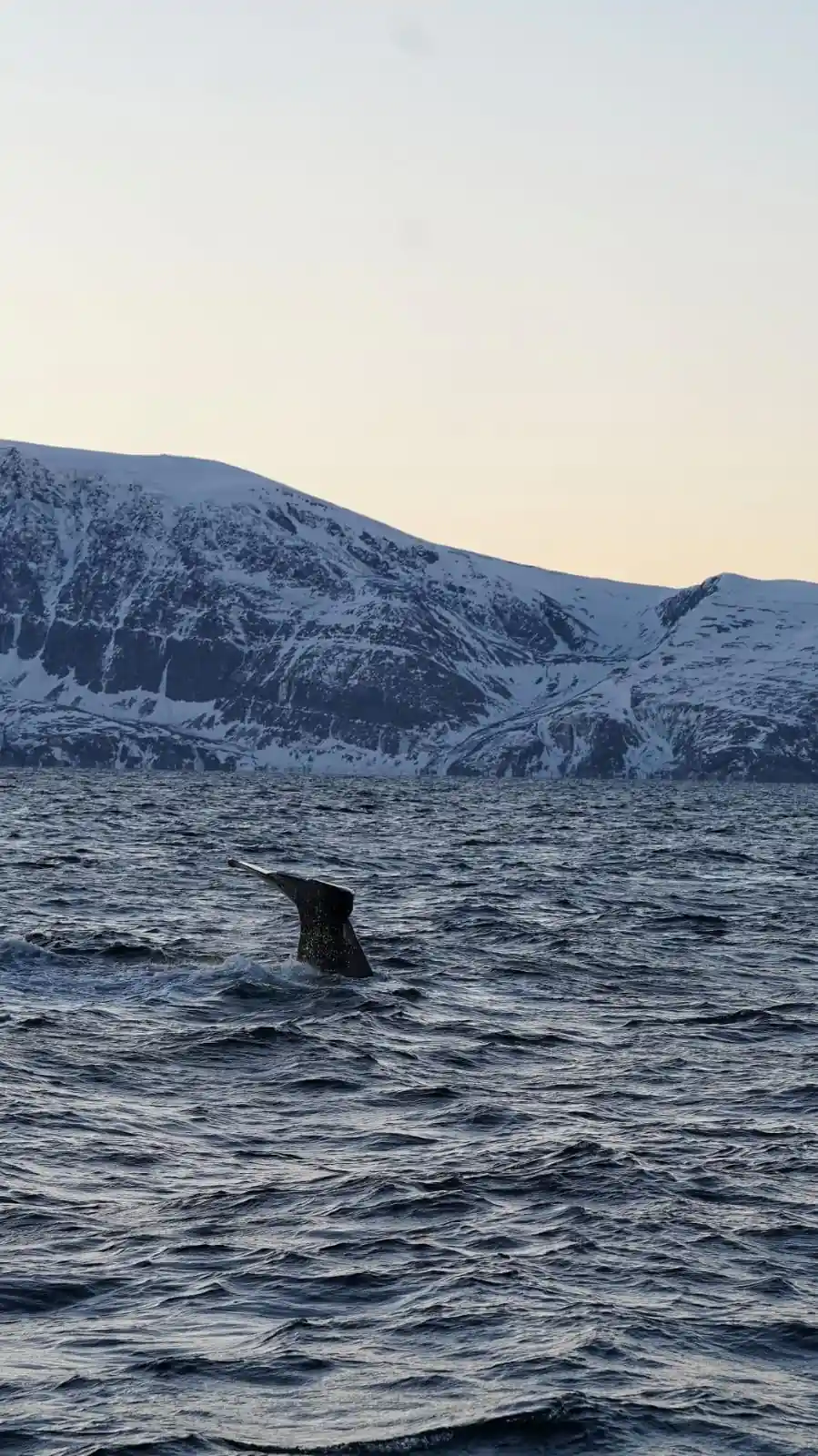
The fjords north of Tromsø are not a zoo and not a show. They are where herring winters and whales feed.[1][2] Remember that when you are on deck; the calm surface often hides a lot of food and a lot of hunting.
Can you hear any of this from the boat
You probably will not hear the full dialect from the deck, because most orca calls are underwater. What you can hear is the surface rhythm: blows, splashes, and the way the pod moves together. Ask the guide about the calls, and watch the fins; a sudden change in direction often means a sound has passed through the water.
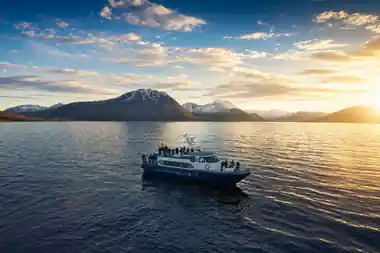
On the Tromsø Whale and Orca Safari All-Inclusive, a live English guide helps you read the water as the route includes a sightseeing cruise at Skjervøy, Norway.[3] The day runs 8 hours, and the listing is booked from this site with free cancellation up to 24 hours in advance.[3]
If you are hoping to capture the moment, keep your camera ready but your eyes up. A dorsal fin cutting the water is often the first sign. The guide will call out when something changes, and the boat slows to give everyone a clear view.
Plan your orca dialect trip
The practical window for this page is winter. Polar night in Tromsø lasts roughly from 27 November until 15 January; deep winter has little daylight.[8] Average winter temperatures in Tromsø are around -4°C.[7] That means warm layers, a hat and gloves, and a waterproof shell are not optional; they are comfort.
Reaching the boat is simple: the trip from Tromsø Airport to the city centre lasts roughly 10-20 minutes.[9] This safari is priced from US$264, lasts 8 hours, and offers free cancellation up to 24 hours prior for a full refund.[3]
One more thing: patience. Whale watching is not a delivery service. Some days are quiet, and some days are electric. The all-inclusive safari is designed for comfort, so even a long day on the water feels like an adventure rather than a test of endurance.
From-prices for three Tromsø whale tours
US-dollar from-prices stated in the GetYourGuide listings:[3][5][6].
Price calculator from-prices
From-prices in US dollars, as stated in[3][5][6].
When to see whales and auroras
Plan your whale safari
Choose a date
Check availability for start times; the tour departs from Tromsø and runs 8 hours.[3]
Reserve your day
You can reserve now and pay later; cancel without charge if you cancel 24 hours or more before.[3]
Pack for -4°C
With an average winter temperature around -4°C in Tromsø, layer up and pack a waterproof shell.[7]
Listen for dialects
On board, the live English guide talks you through the whales, the calls, and the fjord crossing.[3]
Ready to hear an orca dialect for yourself? Book the all-inclusive Tromsø safari.
from US$264Reserve now & pay later