









Why the boat goes so far north
The single fact that explains this entire day is that the whales are wherever the herring is, and the herring has not stayed put. Norwegian spring-spawning herring gathers in enormous numbers to spend the winter somewhere sheltered, and over the last few decades that somewhere has shifted north along the coast more than once.
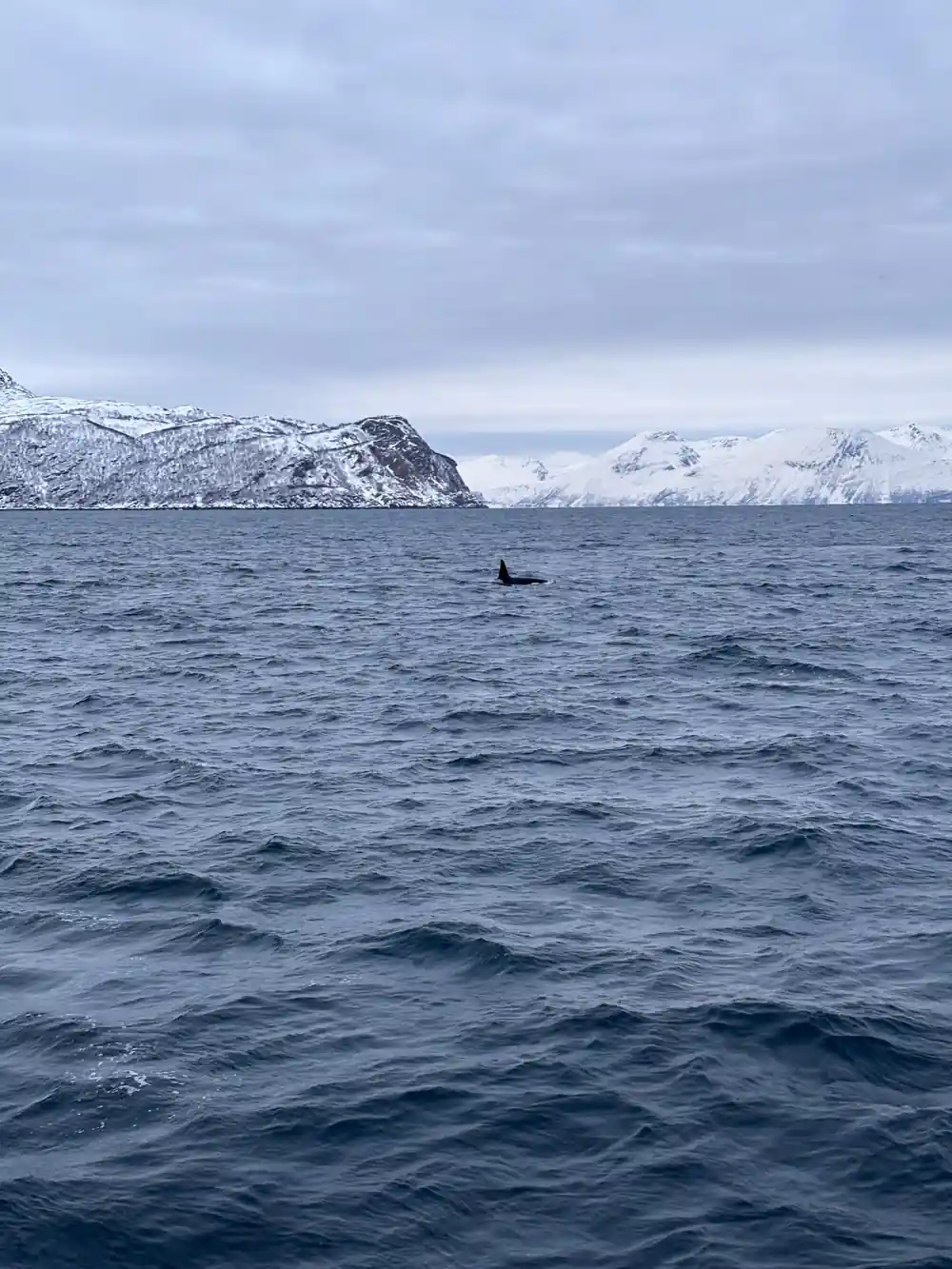
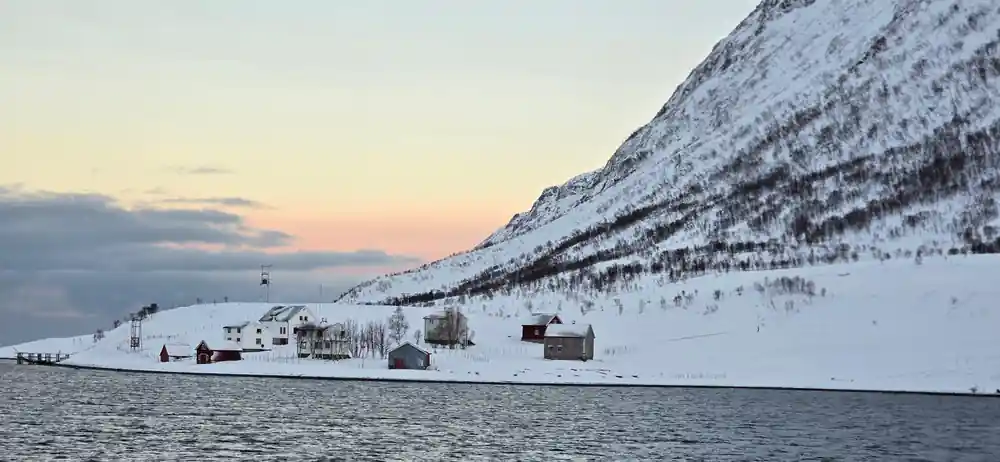
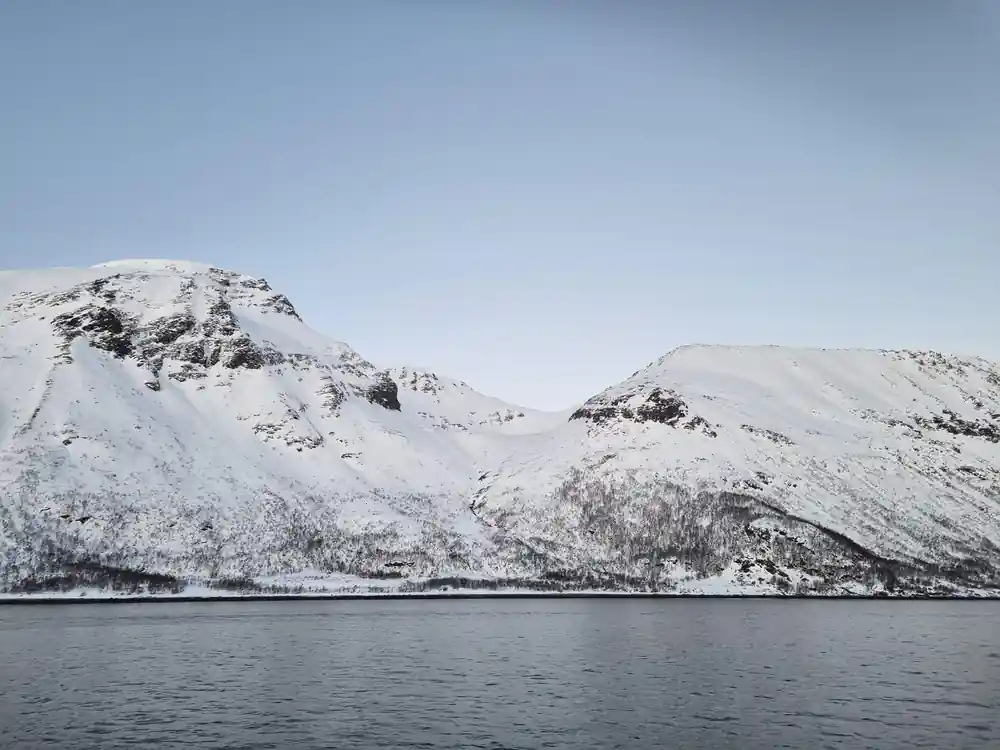
The whale-watching fleet has followed it. Boats that once found orcas in fjords well south of Tromso now sail north instead, towards Skjervoy and the fjord systems around it, because that is where the fish currently overwinters. Nothing about this is permanent, and it will move again.
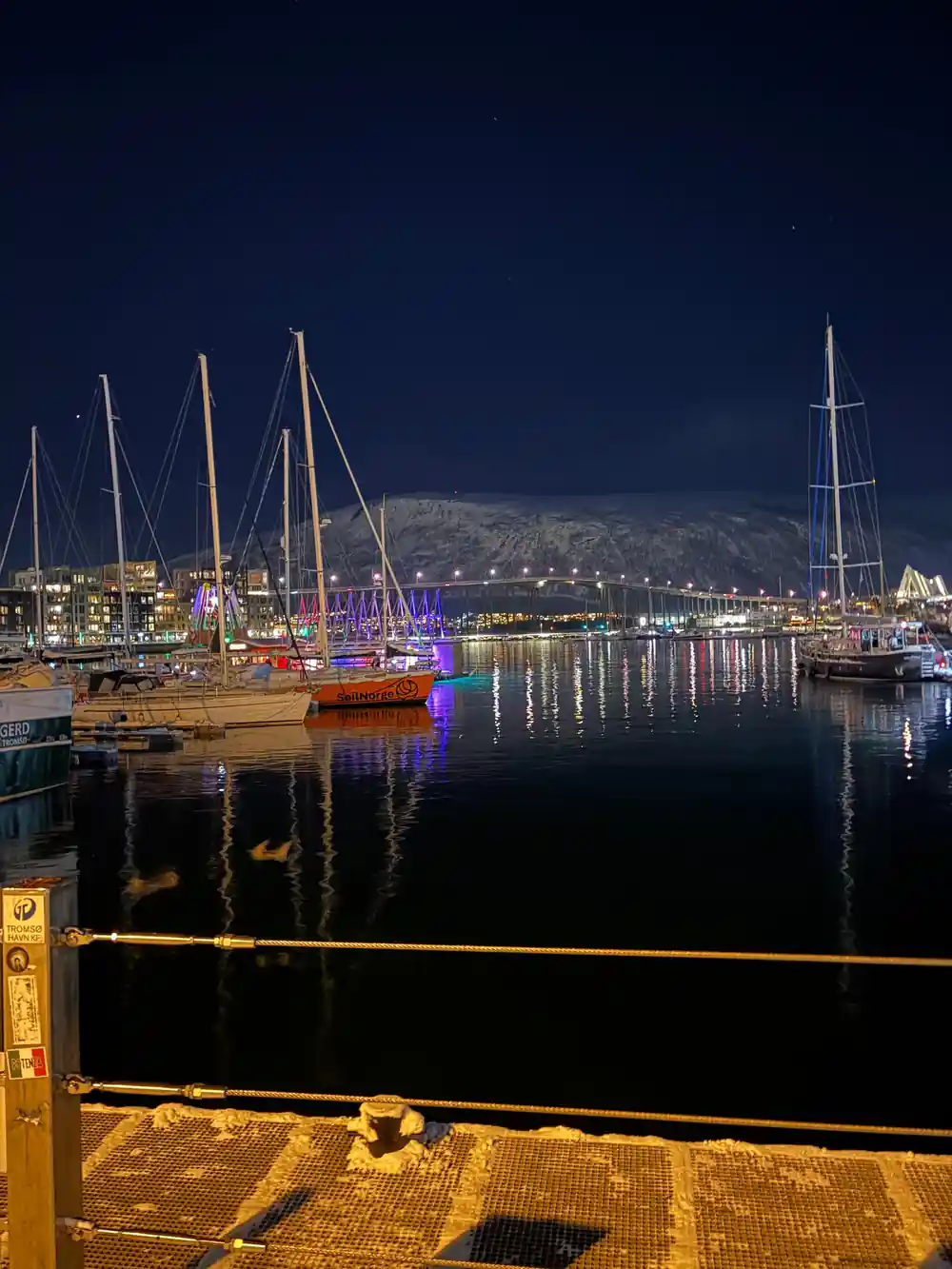
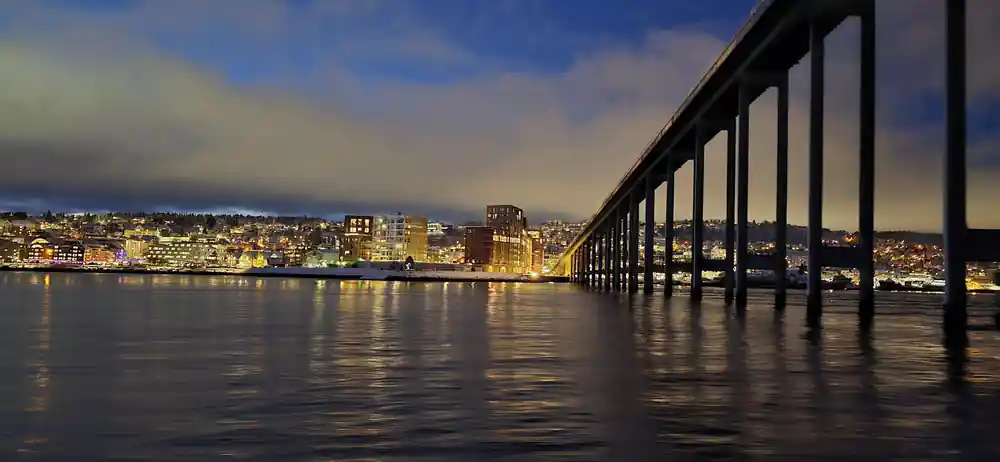
So the two and a half hours out are not padding. They are the distance between a city with an airport and a body of water with several million tonnes of fish in it.
It also explains why nobody who knows these waters promises you a whale in the first hour. The fjords immediately around the city hold fish, birds and scenery, and in a good winter they hold whales too, but the reliable concentration is further up the coast and always has been in recent seasons.
What an orca actually is
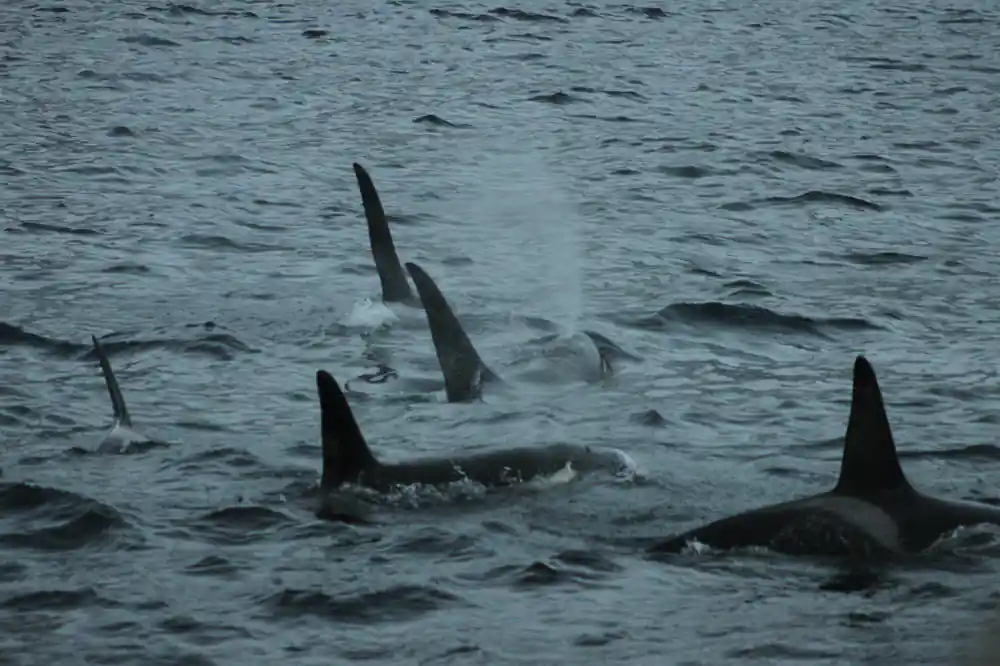
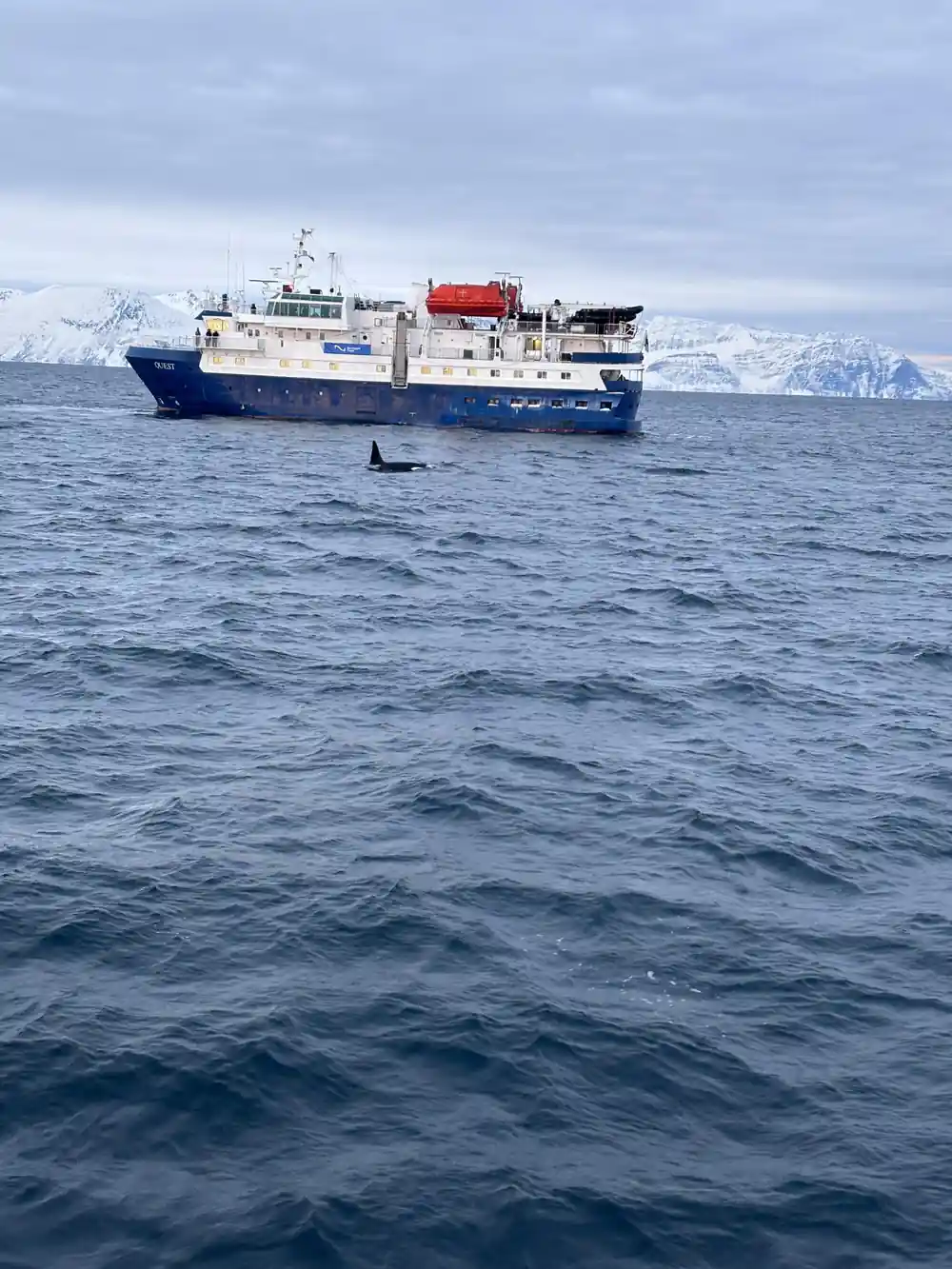
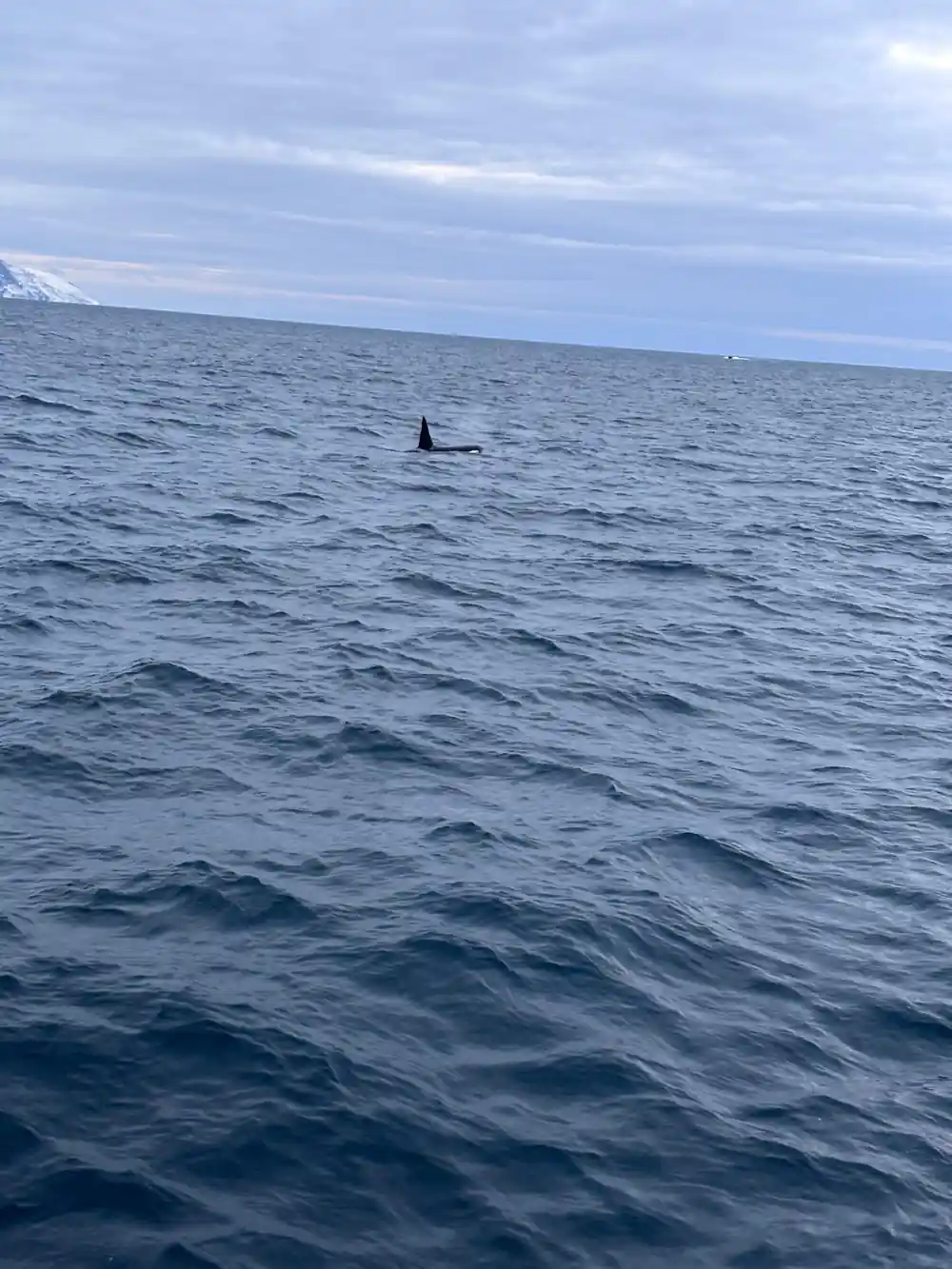
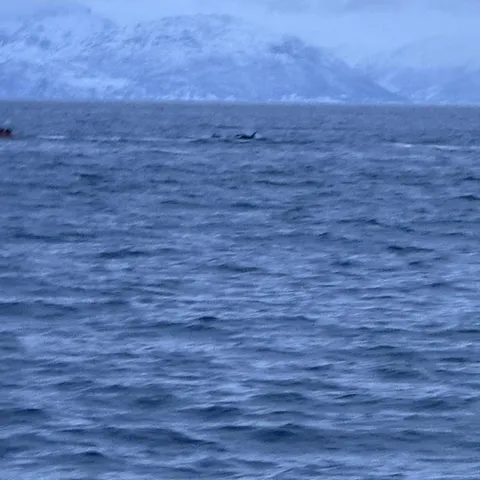
It is the largest member of the dolphin family, which surprises most people the first time they hear it. A big male reaches roughly nine metres and several tonnes, with a dorsal fin that can stand nearly two metres out of the water and is visible at a considerable distance. Females are smaller, with a shorter curved fin.
The animals here are fish specialists. Different orca populations around the world eat completely different things, do not interbreed, and behave like separate cultures rather than a single species with regional habits. The ones off northern Norway have built their year around herring.
They live a long time. Females routinely pass fifty and can reach far beyond it; males typically do not live as long. Neither sons nor daughters leave their mother, which makes an orca family one of the most stable social units in the ocean.
Carousel feeding, which is the thing to hope for
A shoal of herring under threat packs tighter. Orcas use that against it. Working as a group they drive the shoal upward and inward until it is a dense ball pressed against the surface with nowhere left to go, flashing their white undersides to keep it herded.
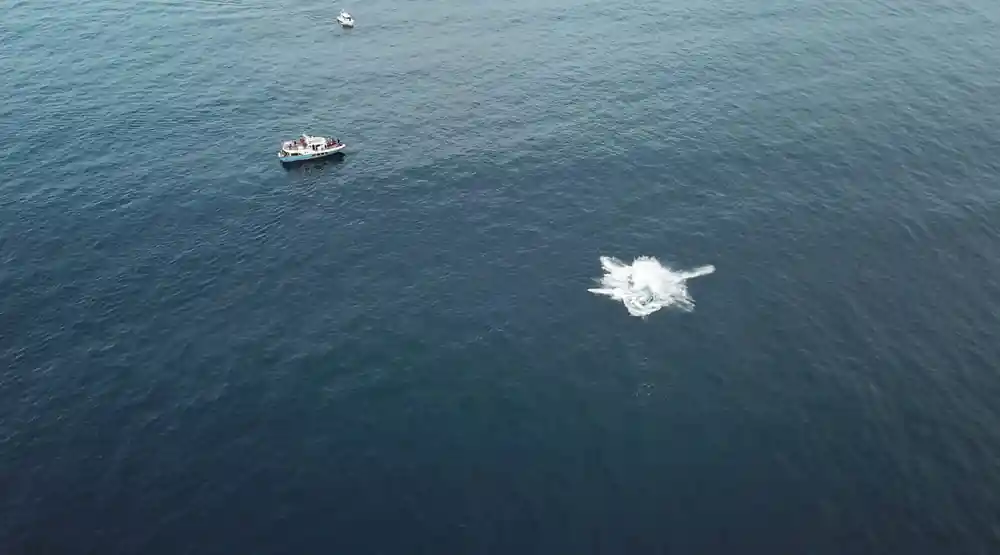
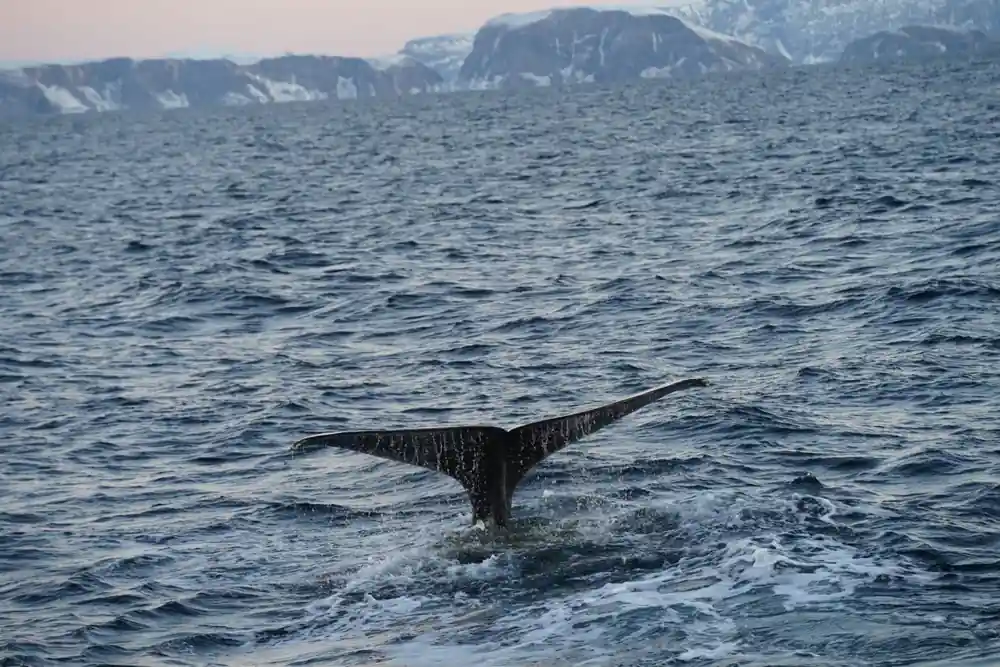
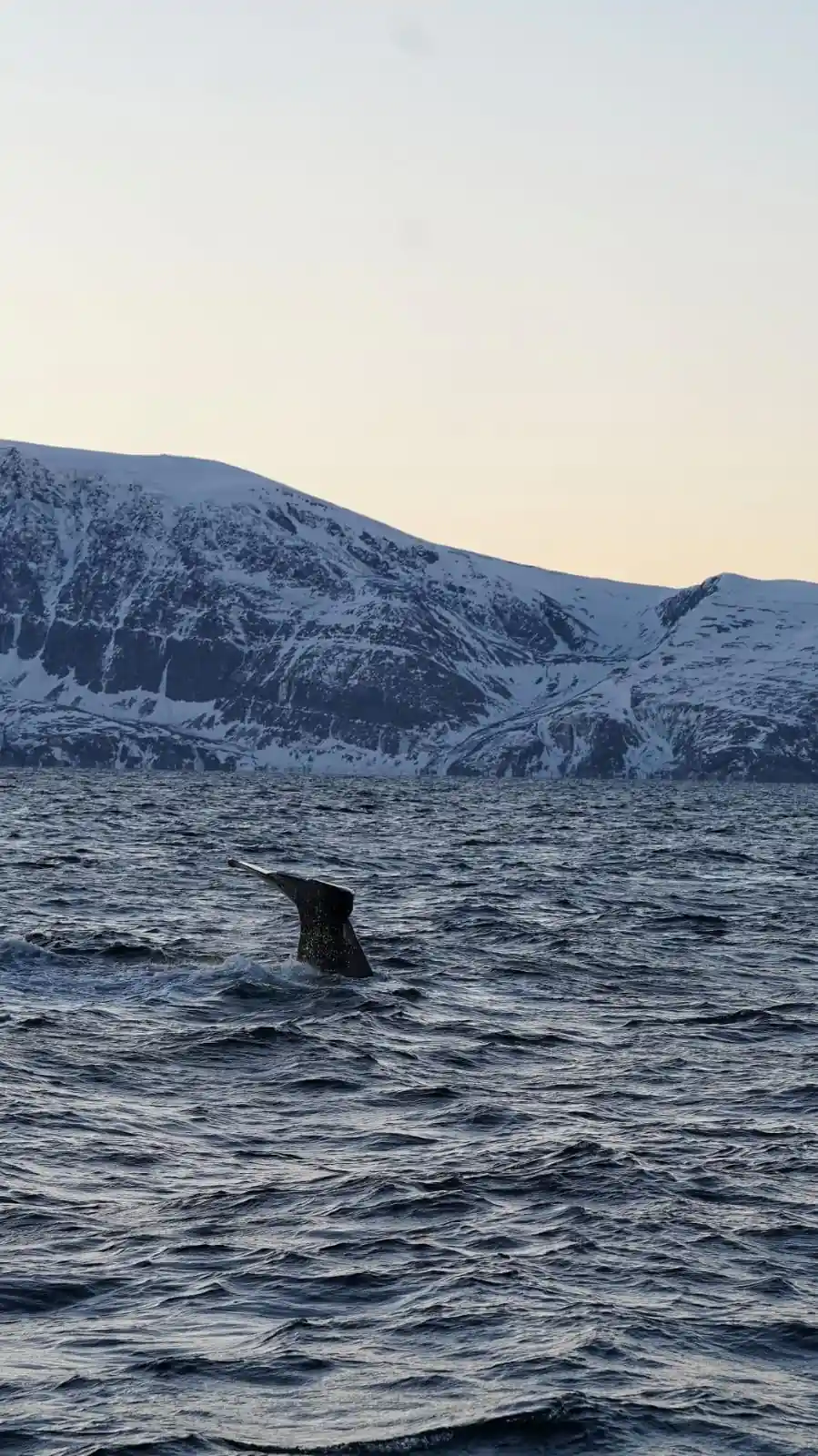
Then comes the part that makes the technique famous. An orca turns and strikes the ball with its tail, and the shock stuns the fish nearest the blow. The whales then take the stunned herring one at a time, unhurried, while the rest of the pod holds the ball together.
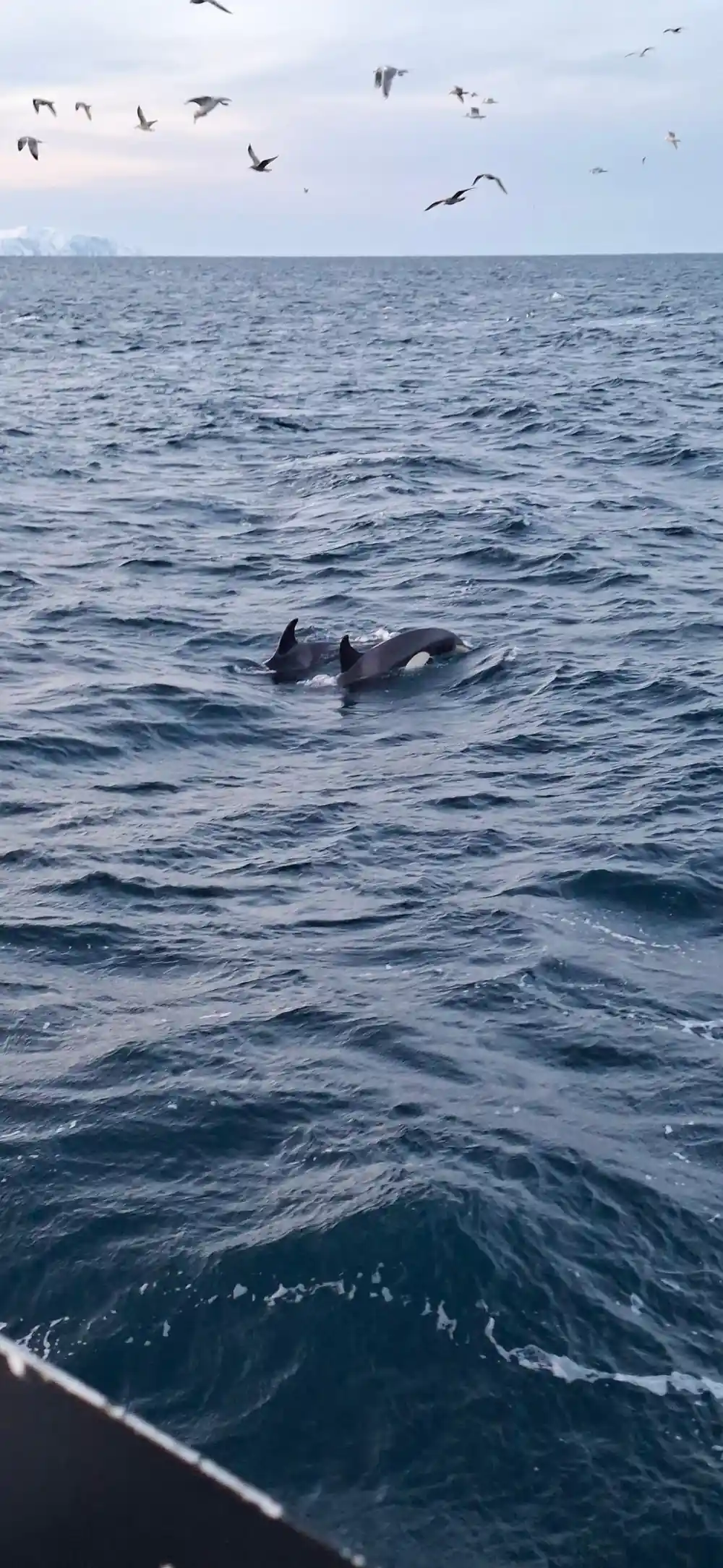
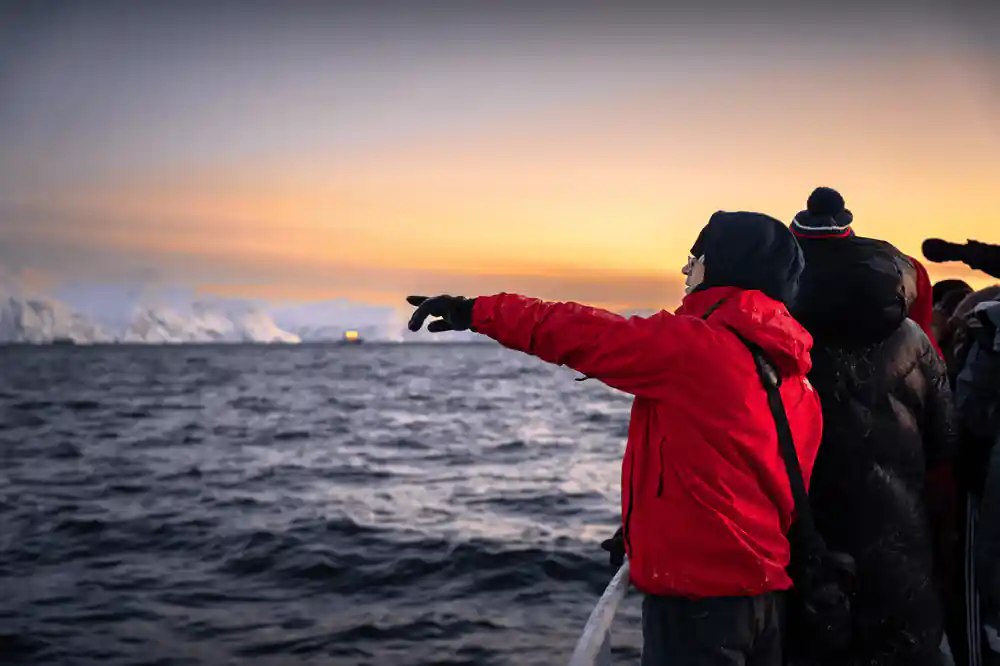
From a boat you often see the birds first. Gulls collect above a working ball because stunned fish drift to the surface, so a swirl of gulls over churning water is worth more attention than an empty horizon.
The humpbacks that turn up uninvited
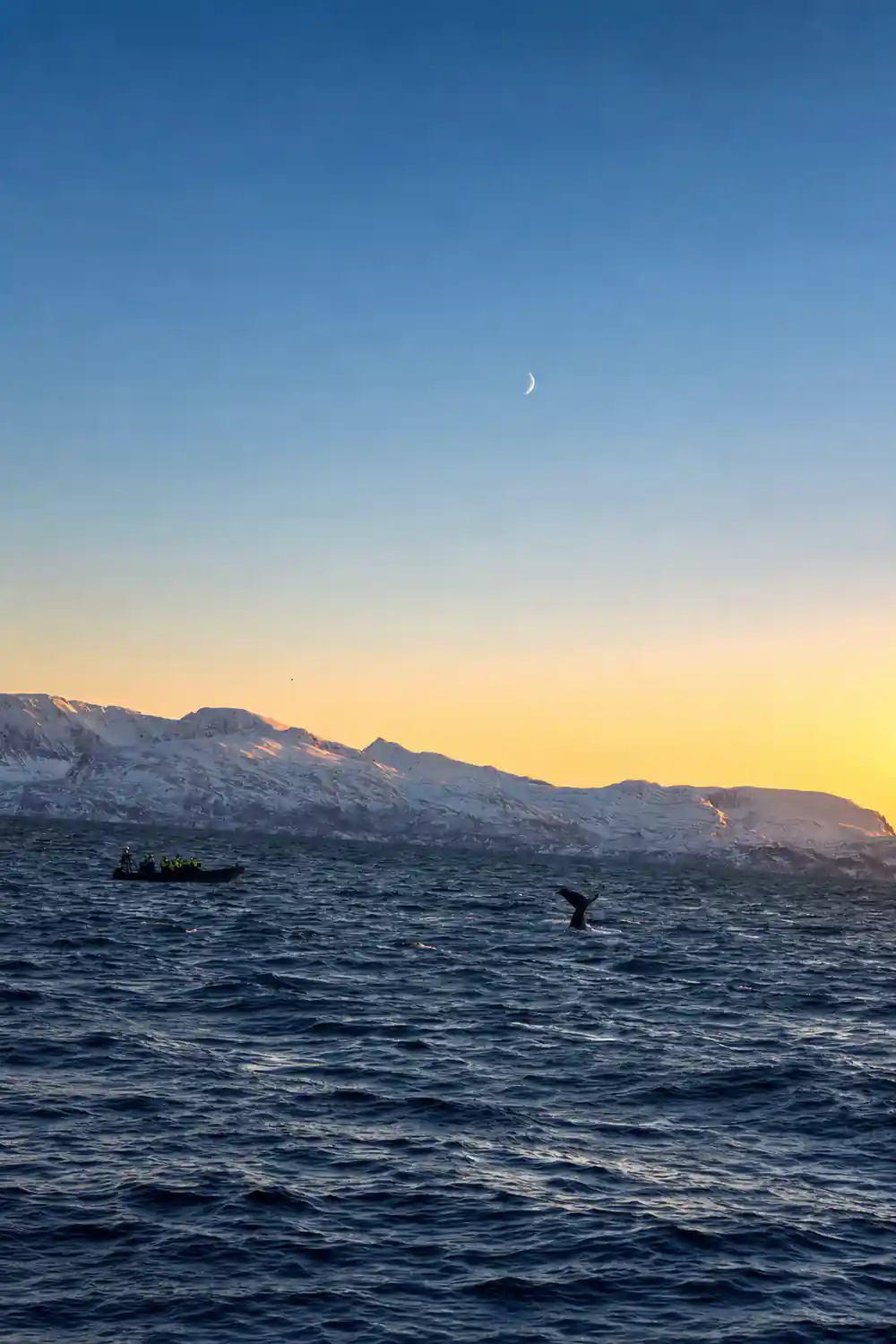
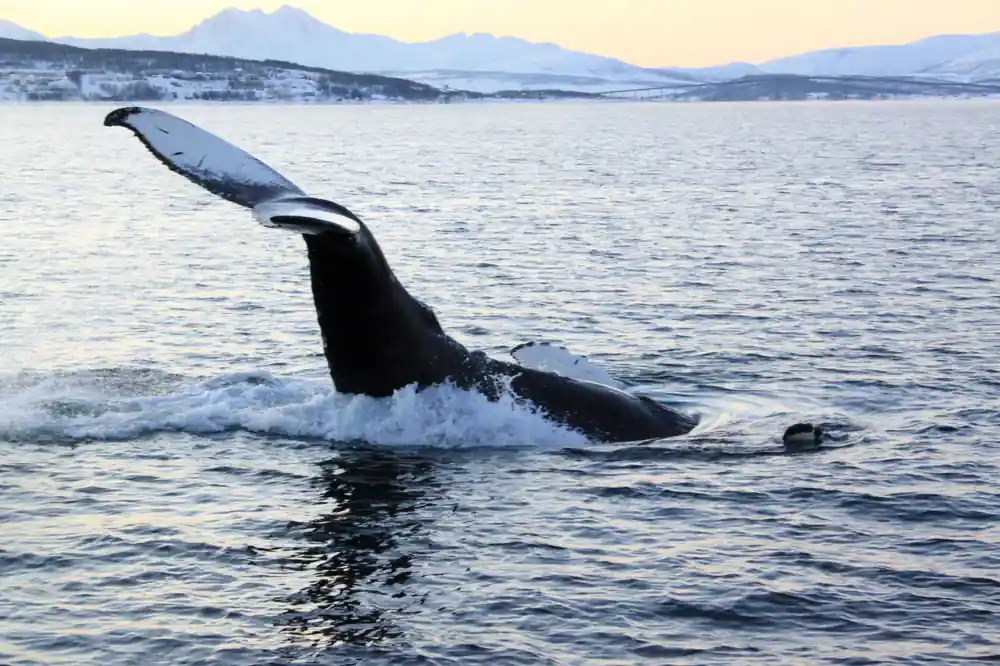
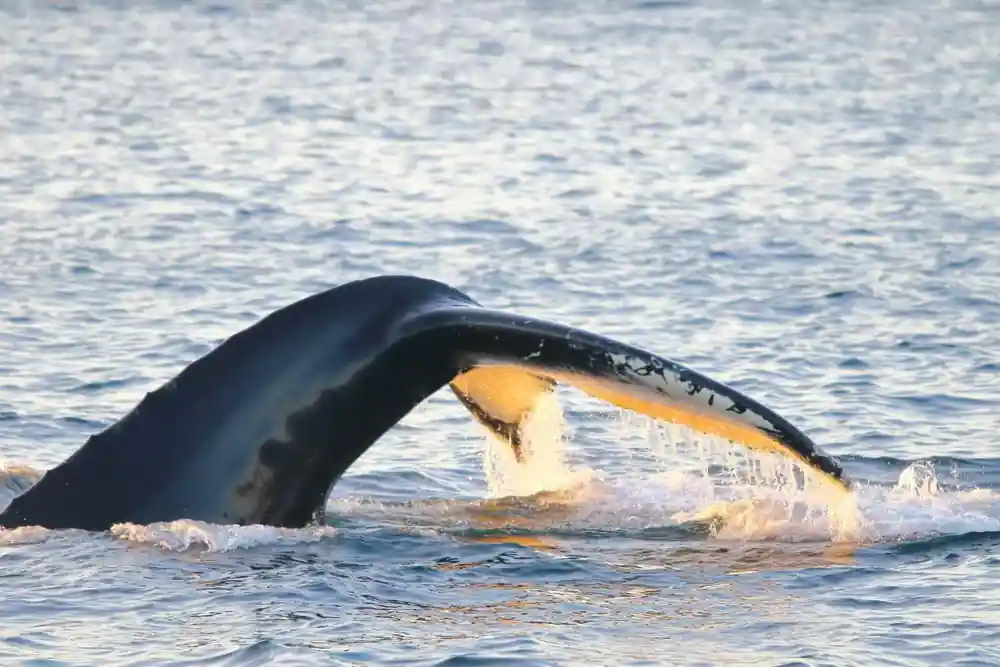
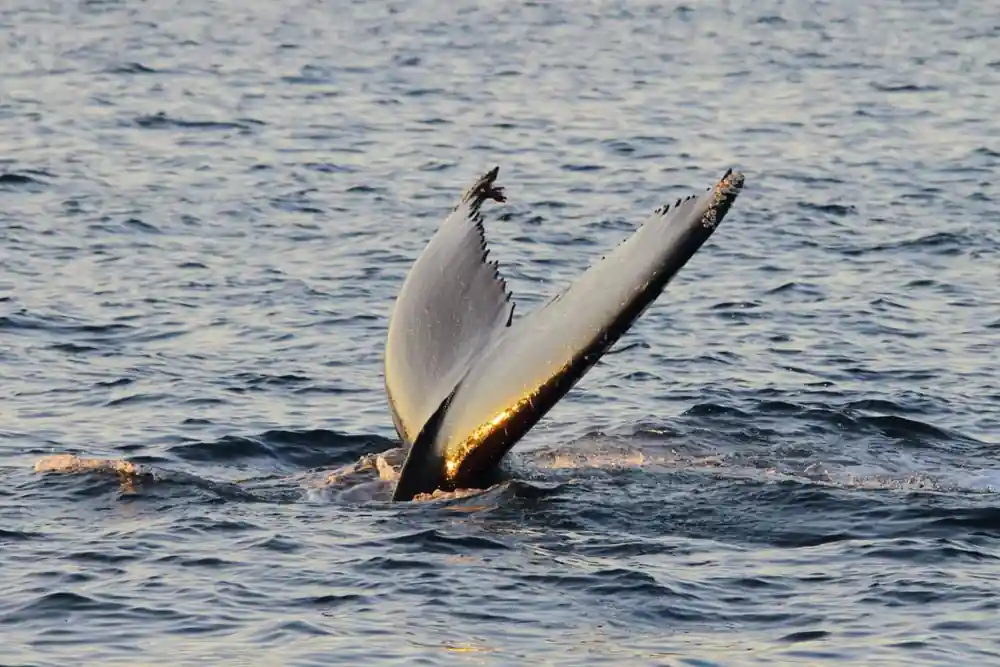
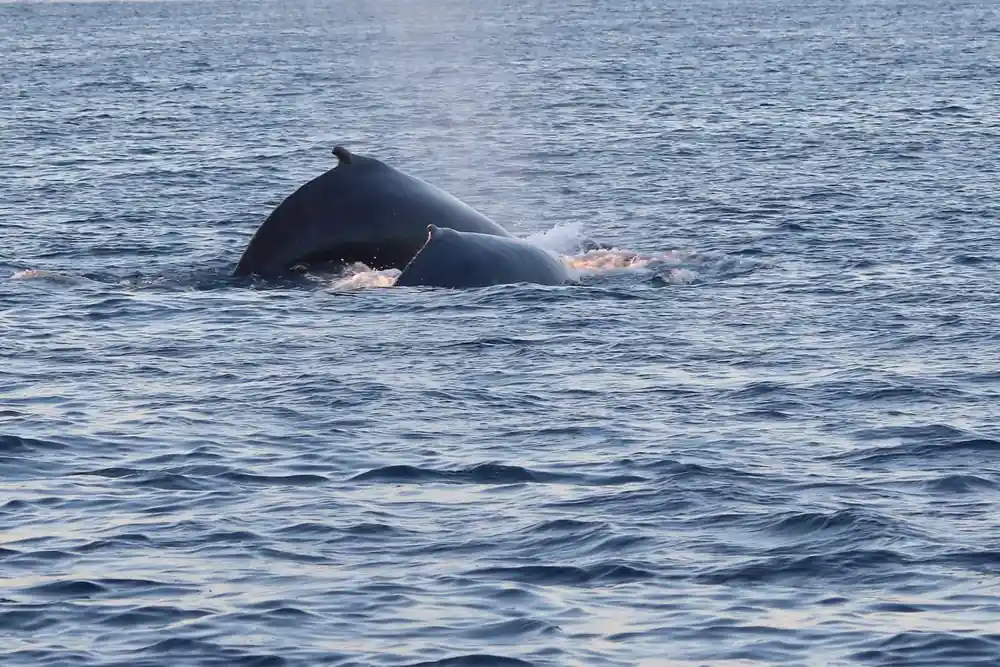
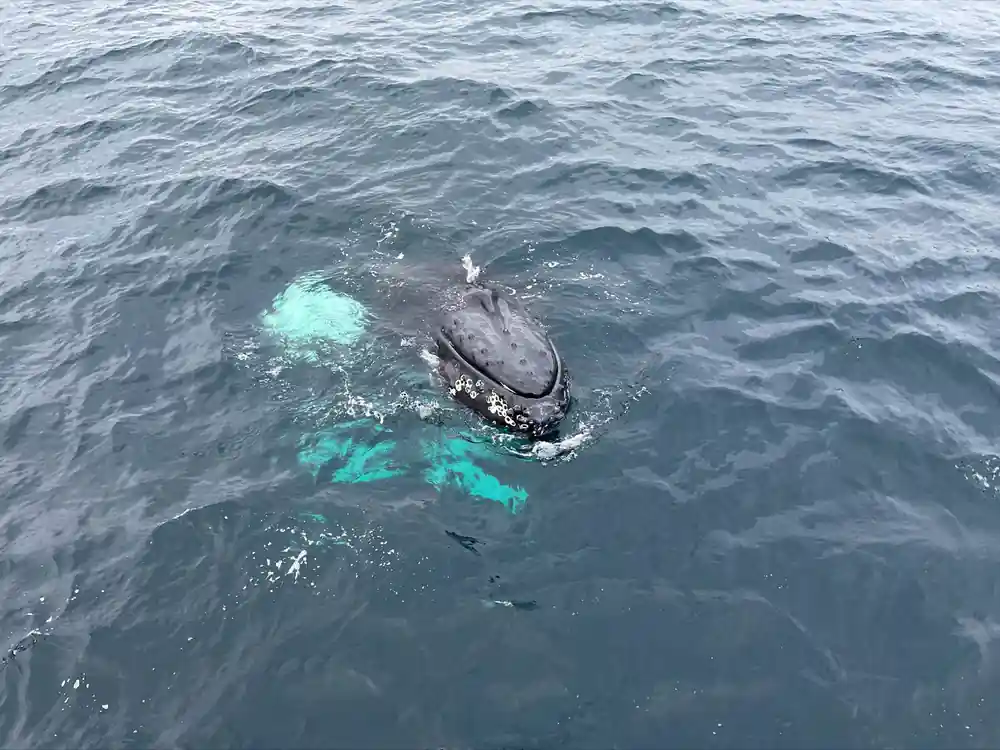
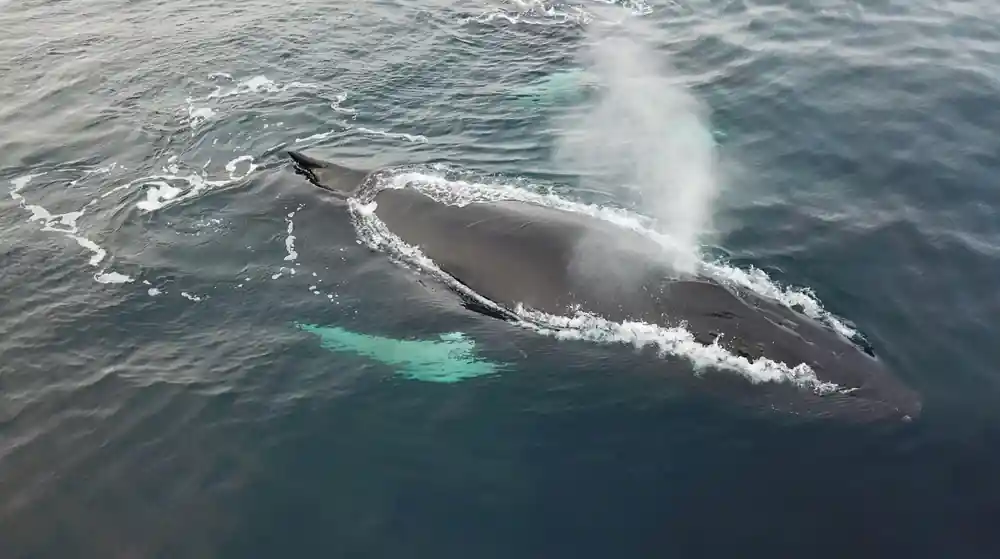
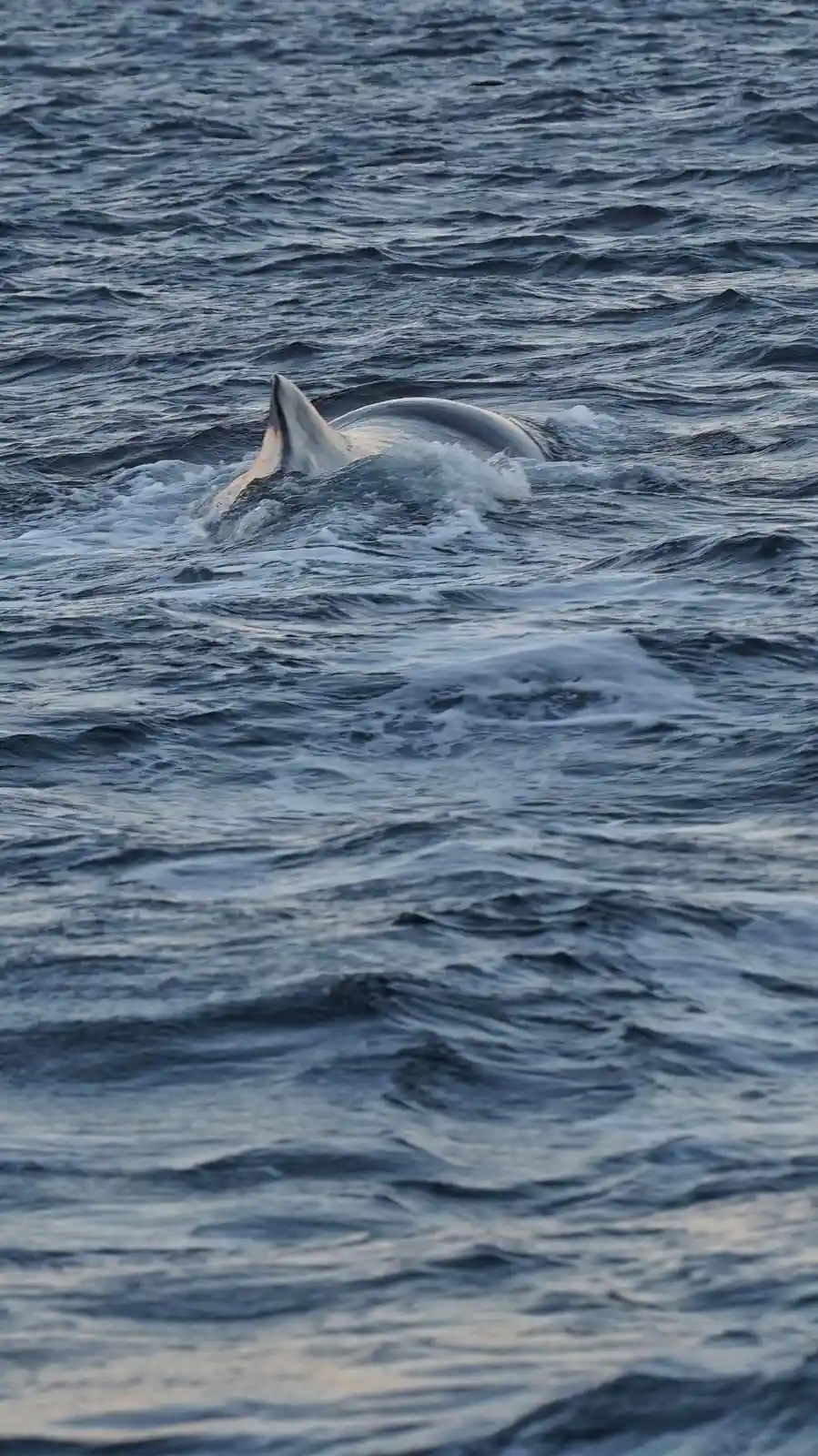
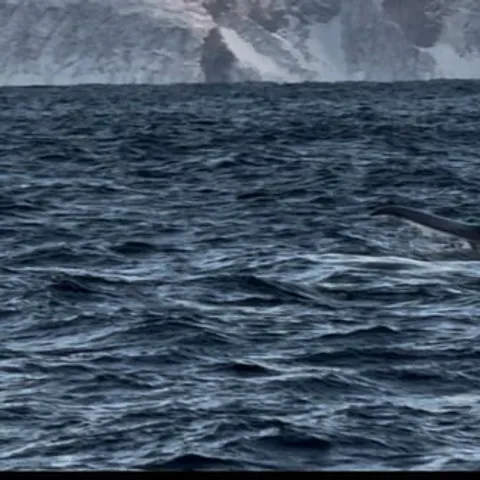
Orcas are not the only animals interested in a herring ball, and they are not the biggest. Humpback whales winter in the same fjords for the same reason, and they have learned to exploit work the orcas have already done.
A humpback arriving at a herded ball takes an enormous mouthful of fish that a pod of orcas spent effort concentrating. The orcas cannot do much about it. It is theft, it is common here, and it is one of the more remarkable things to watch happen.
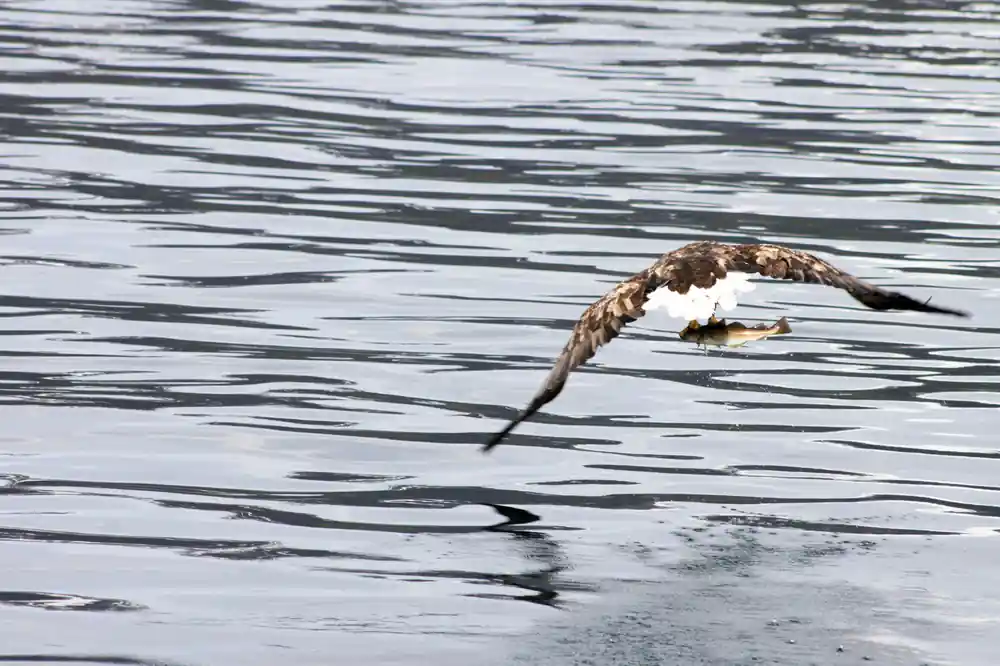
Which is why a day out here is rarely a single-species day. Humpbacks, white-tailed eagles, gulls, guillemots and cormorants all key off the same fish.
The light, and why the dark is not a problem
Orca season is the dark half of the year. In the depths of it the sun does not clear the horizon at this latitude at all, and a first-time visitor reasonably asks how you are meant to watch wildlife in the dark.
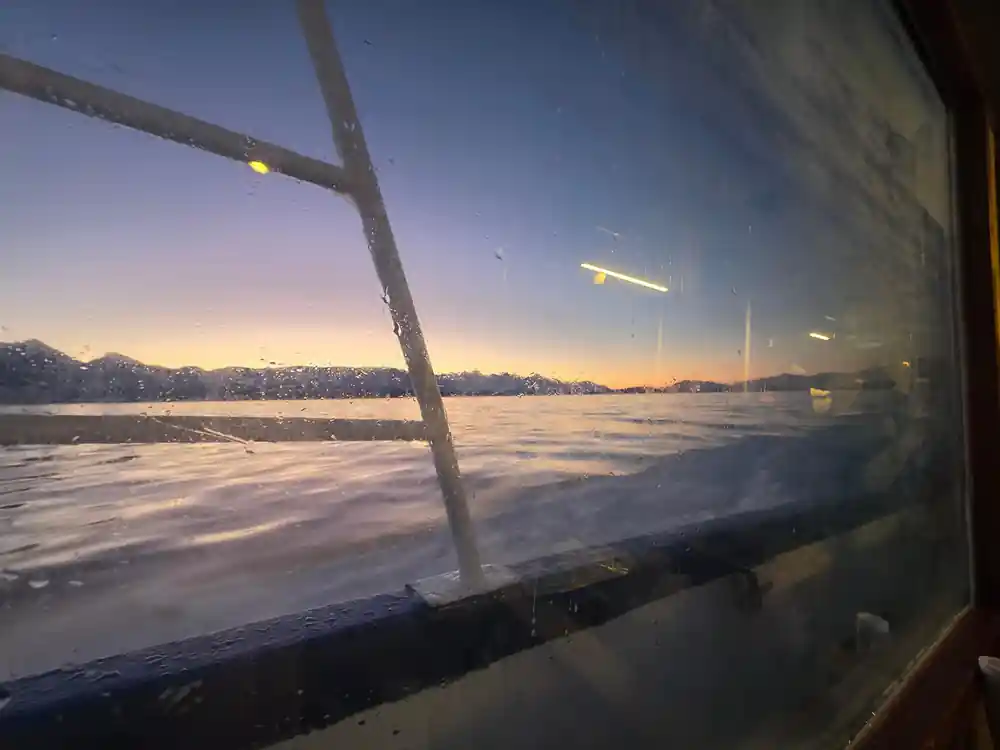
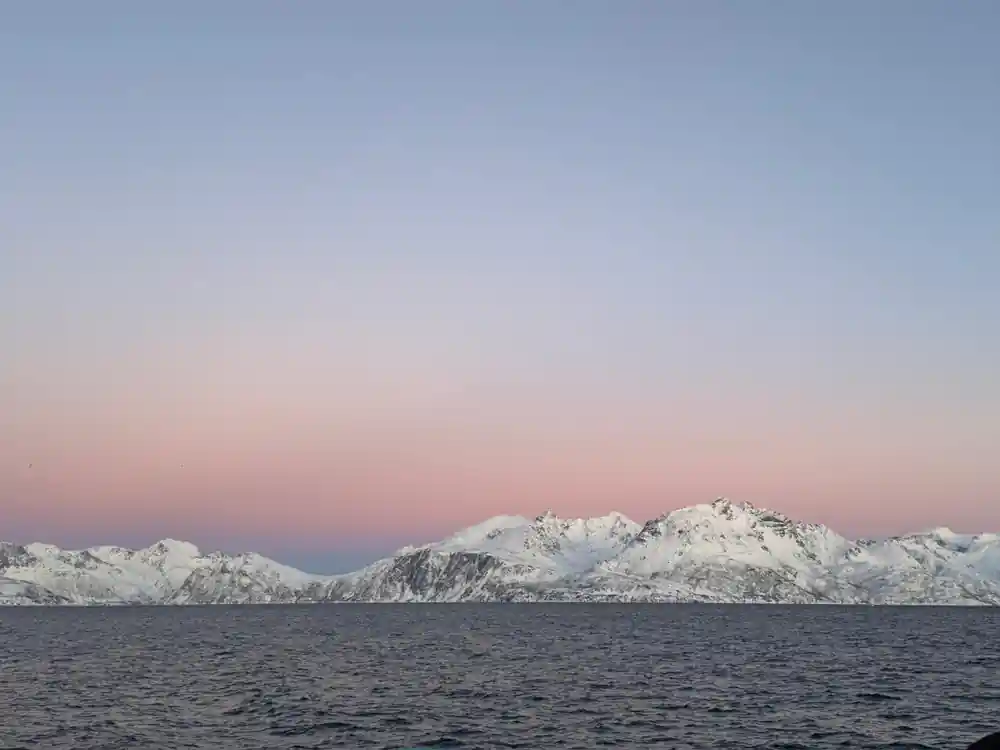
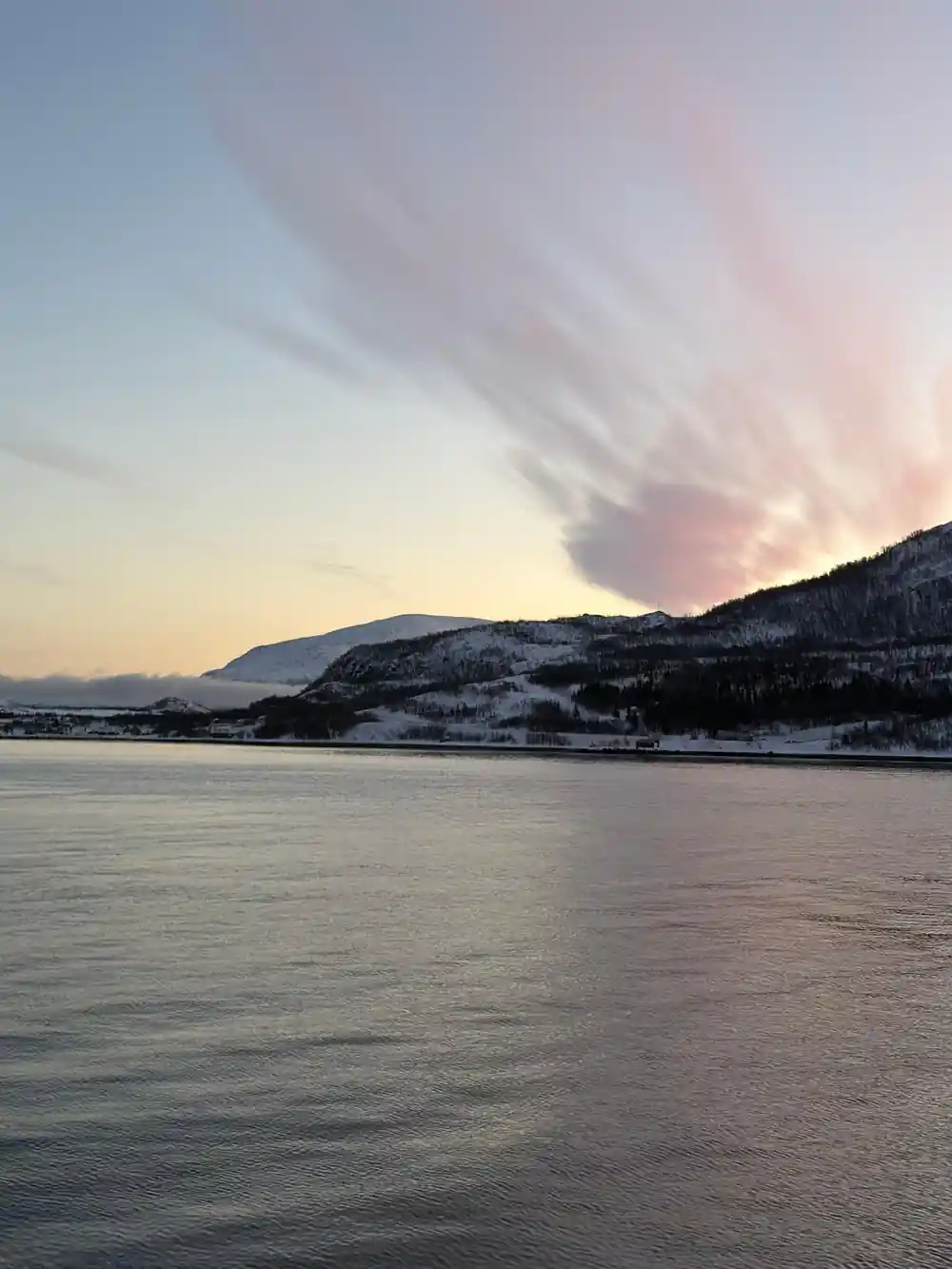
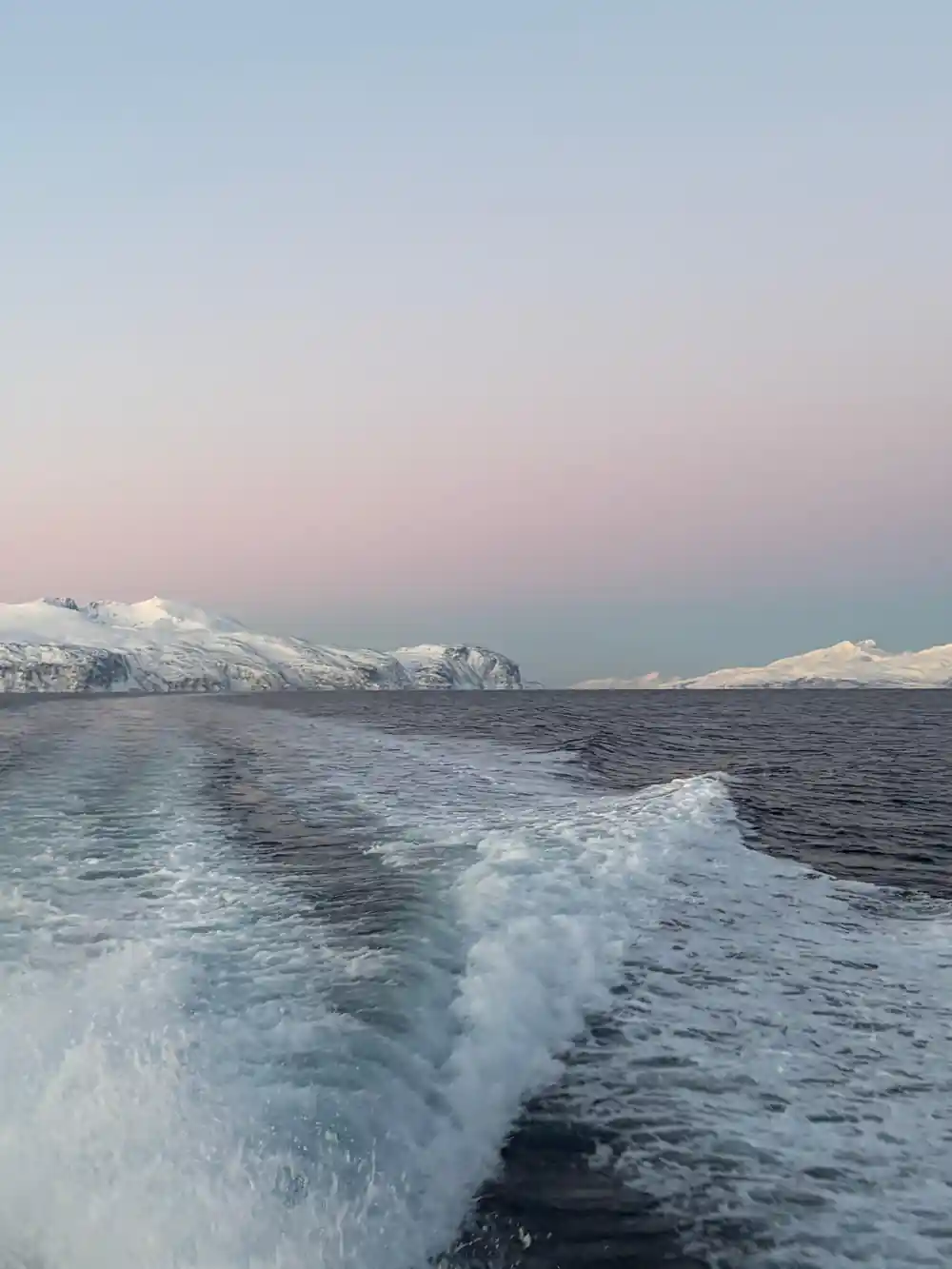
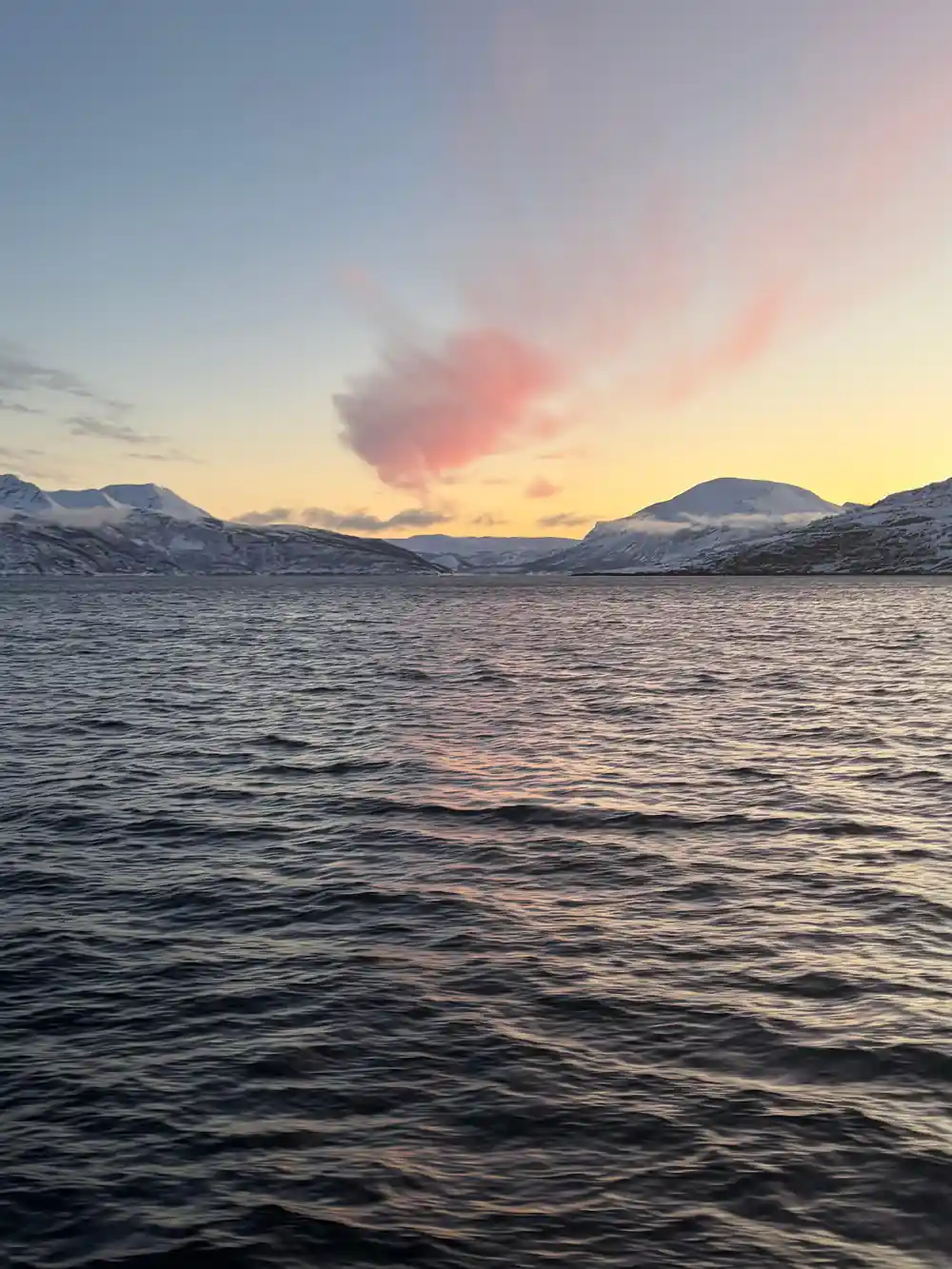
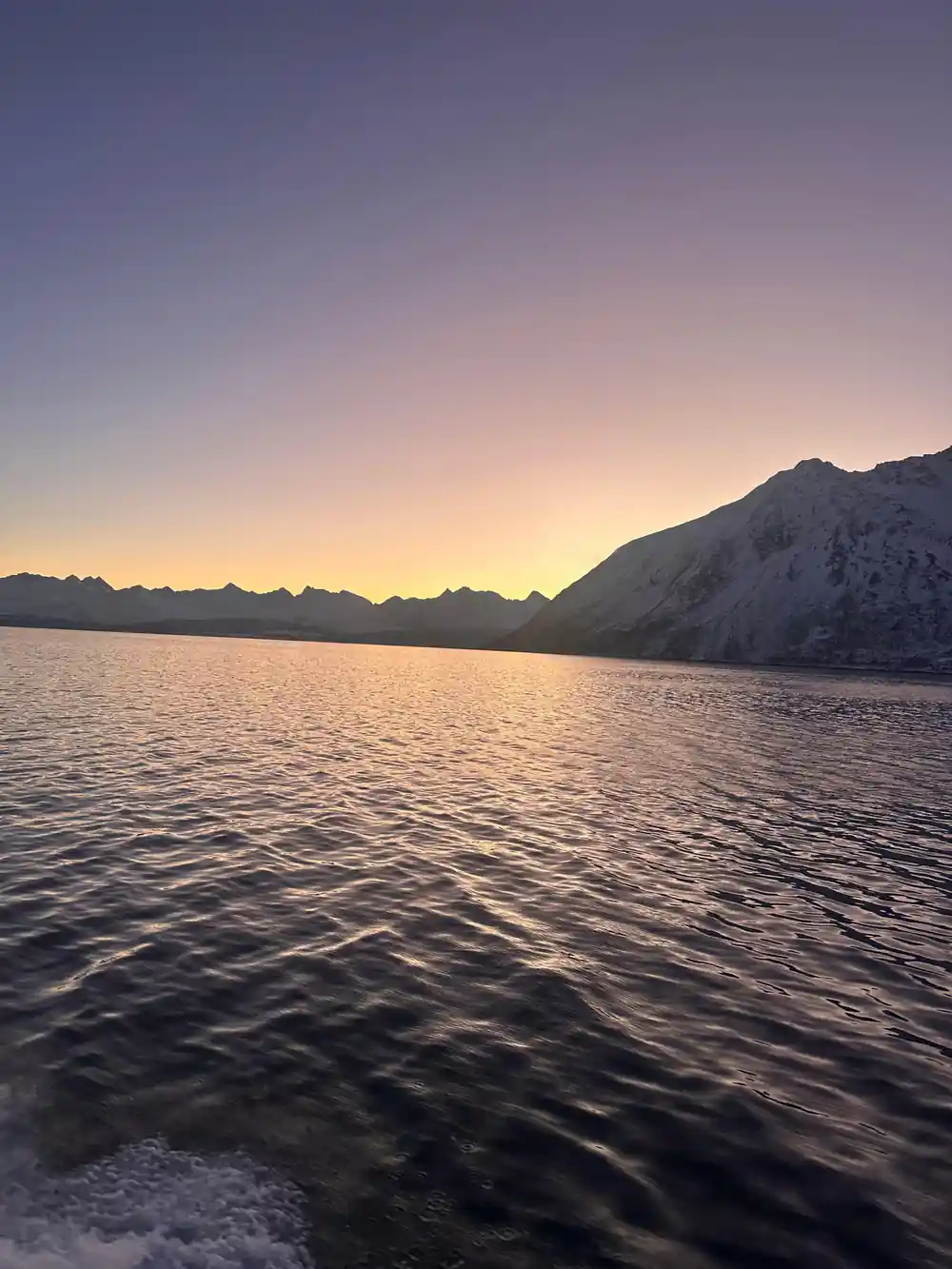
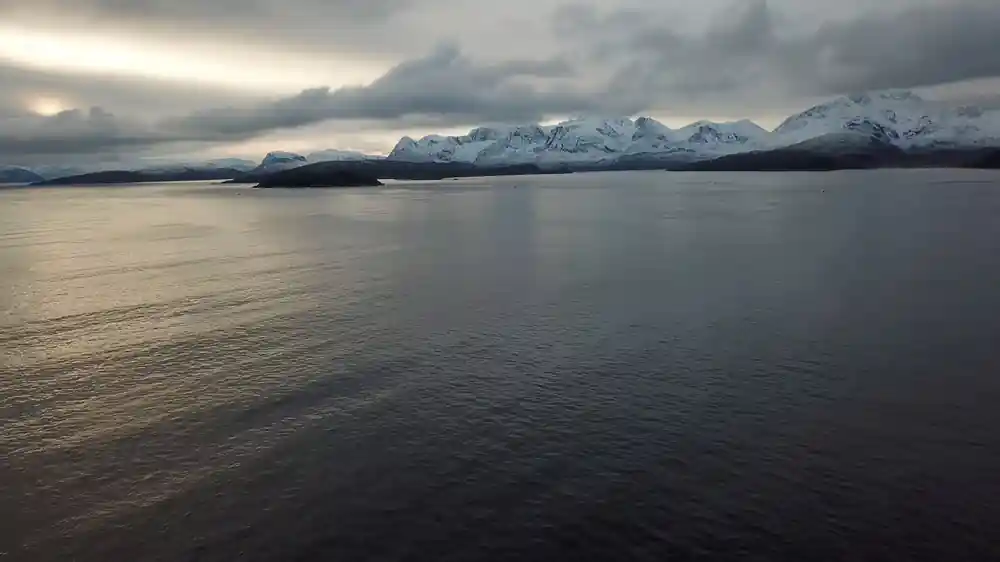
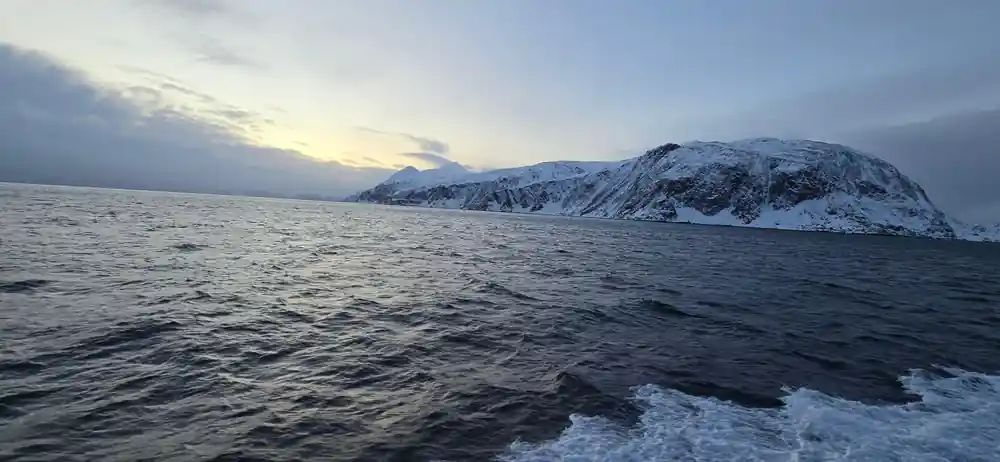
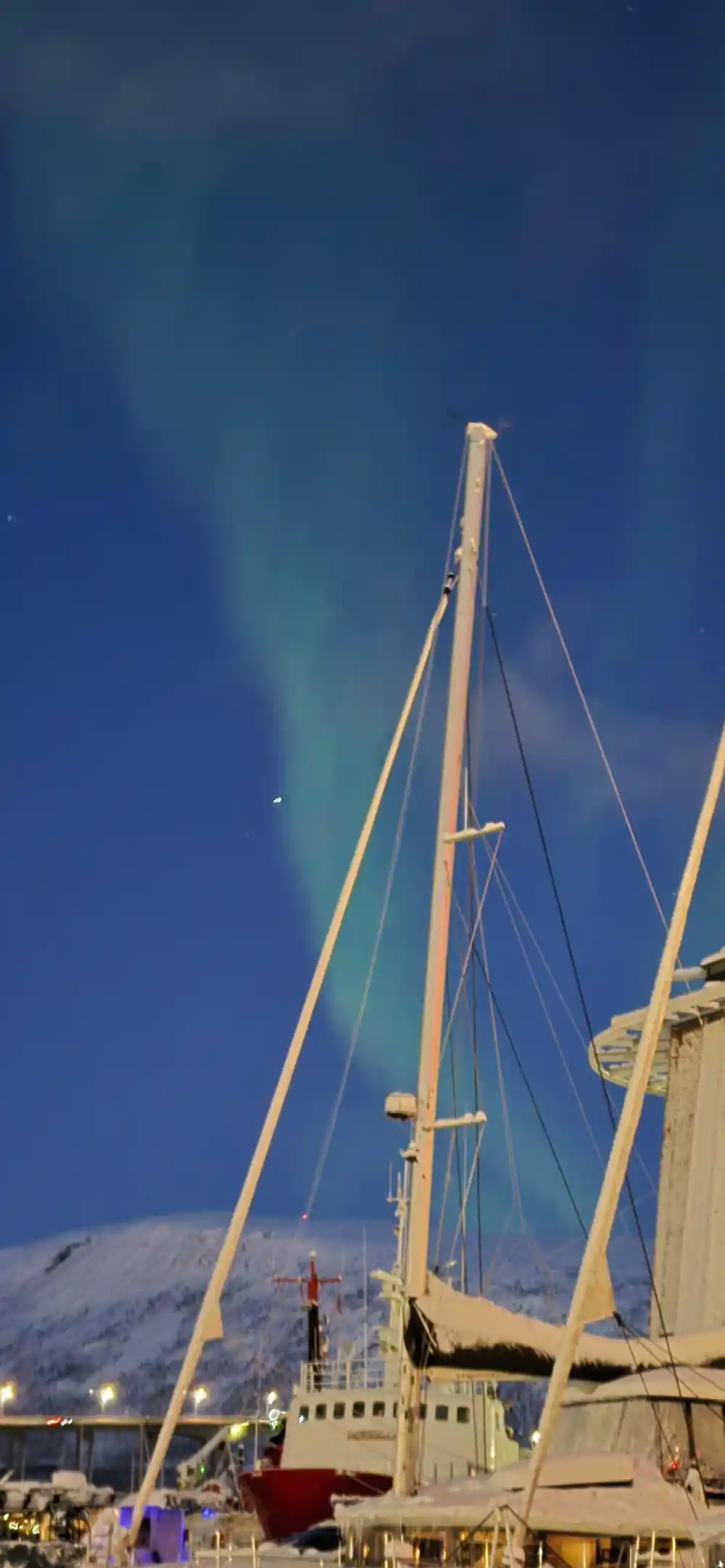
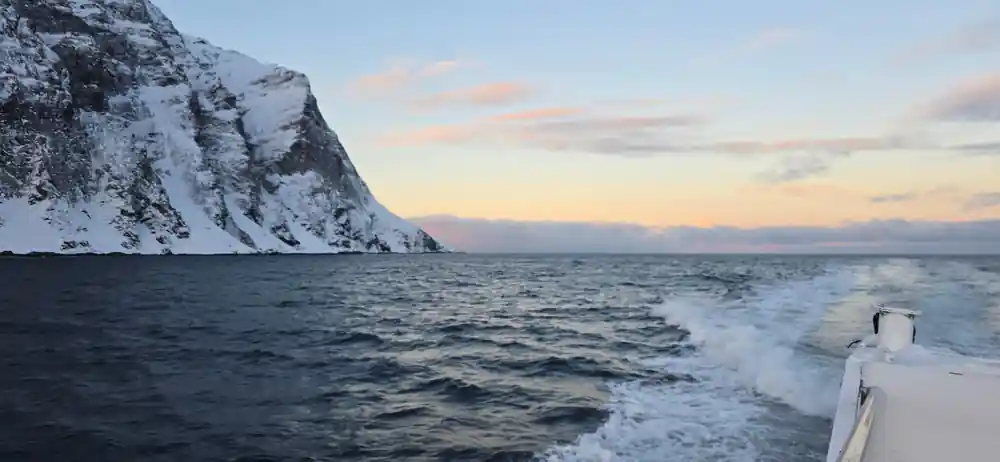
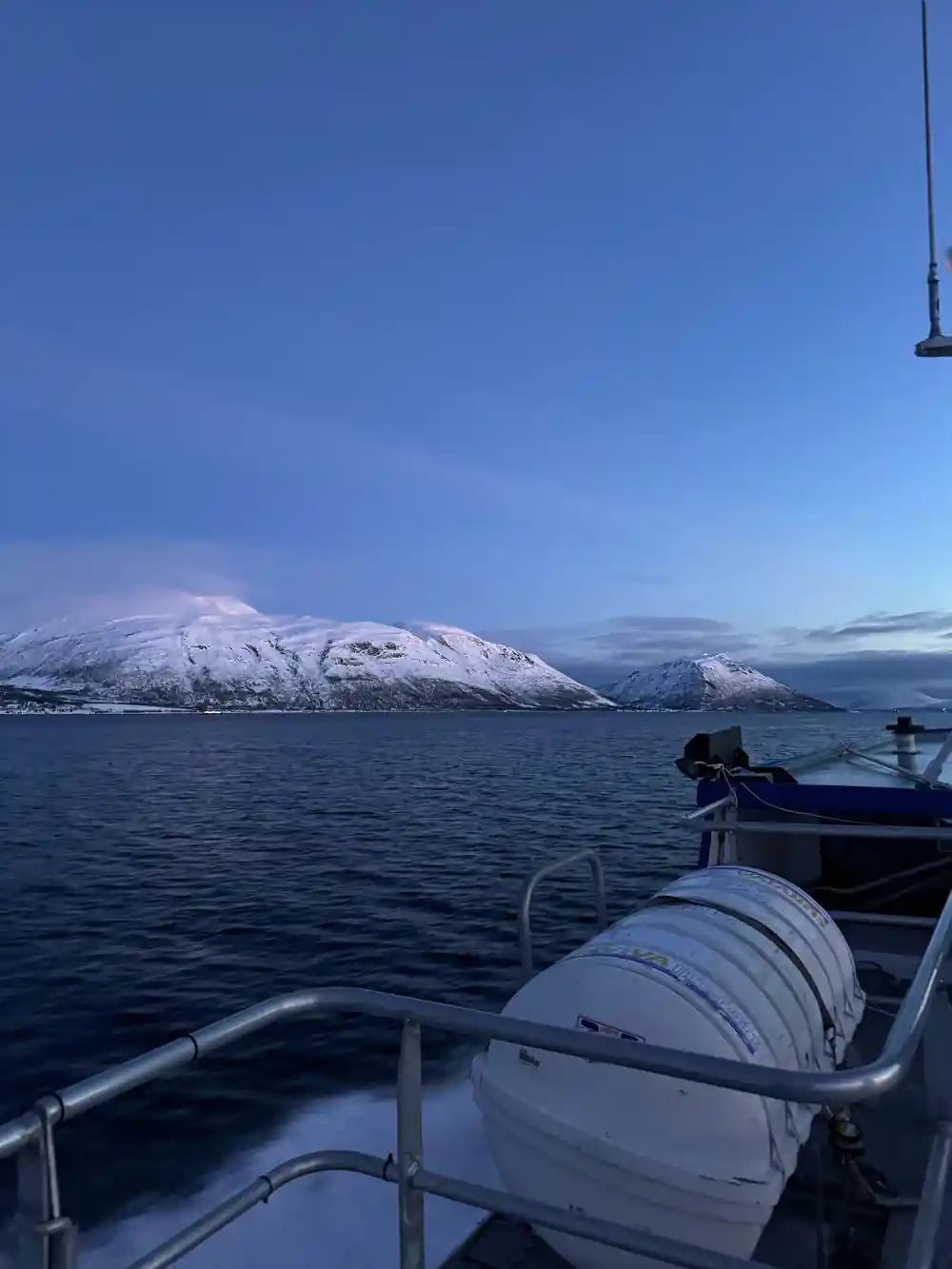
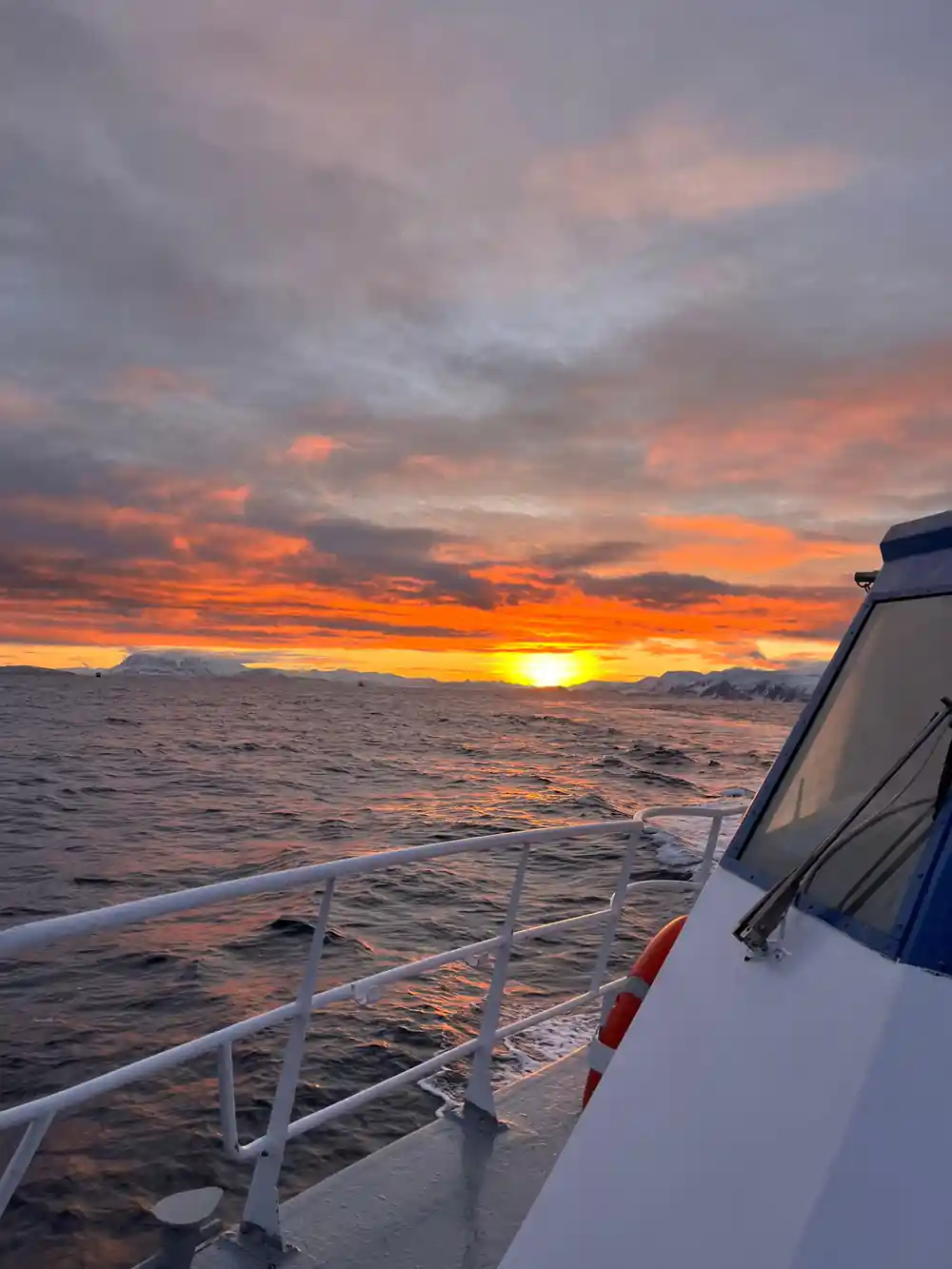
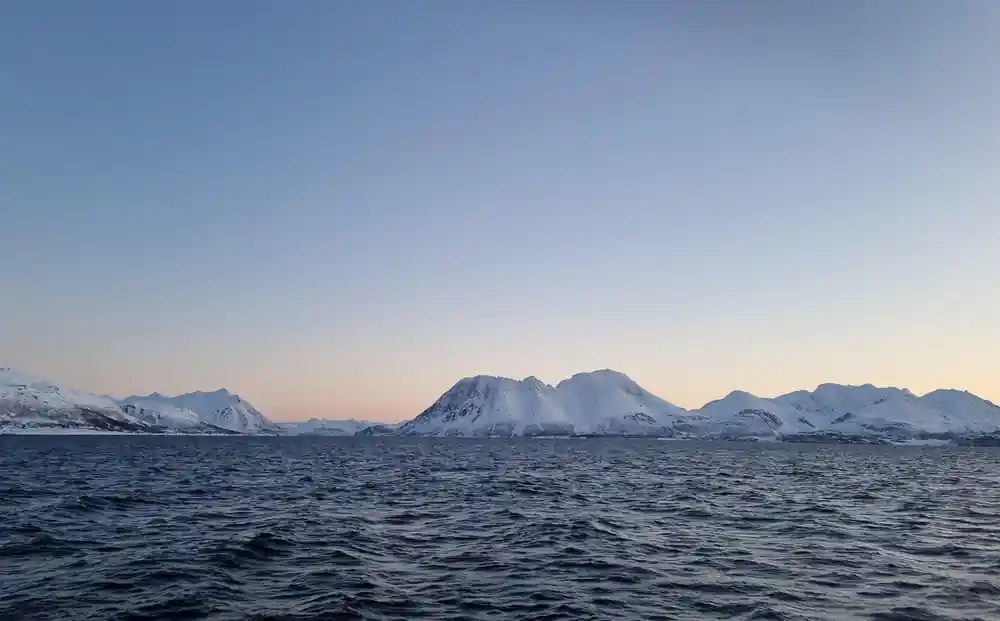
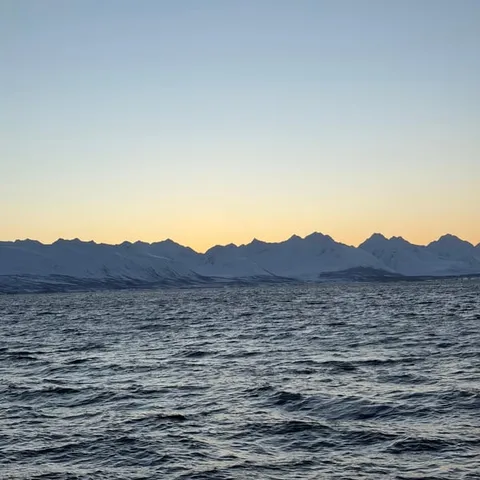
The answer is that polar night is not darkness. It is a long blue twilight that lasts for hours around the middle of the day, bright enough to see fins, blows and mountains, and considerably more beautiful than ordinary daylight. The sun sits just below the horizon and lights the sky without appearing in it.
Later in the season the sun returns and the days lengthen quickly. Either end of the season gives you something the other does not, and neither is the wrong choice.
What the day asks of you
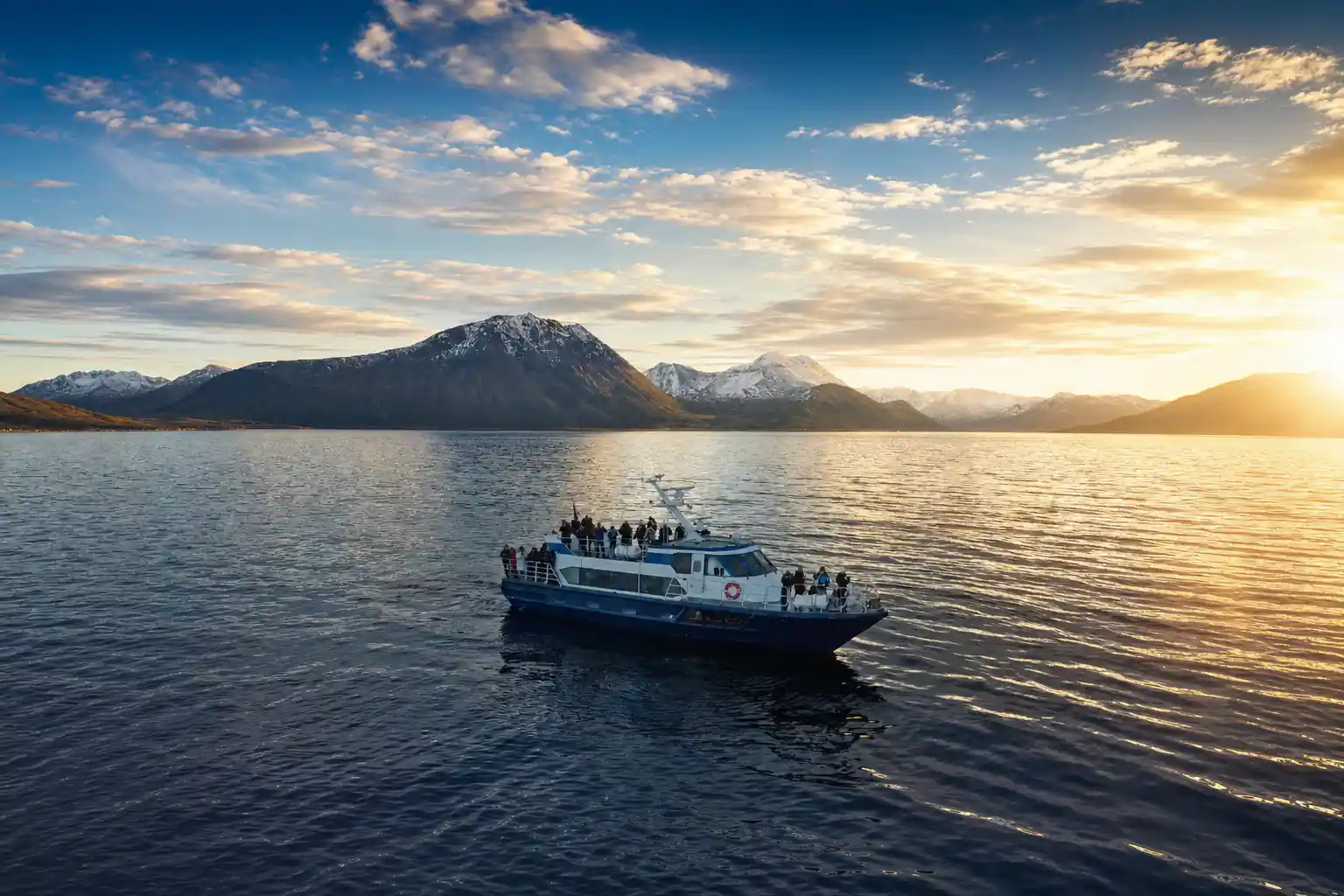
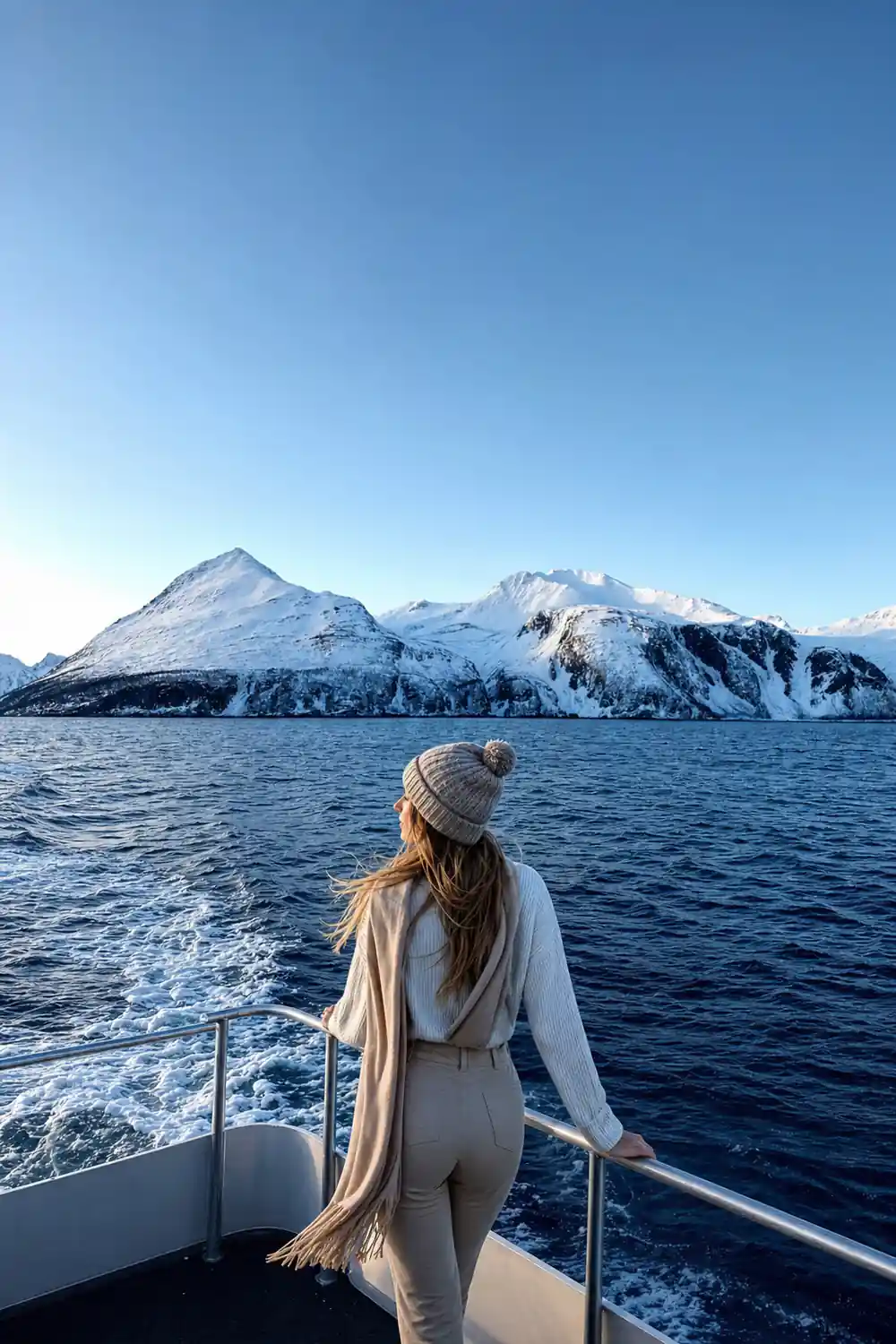
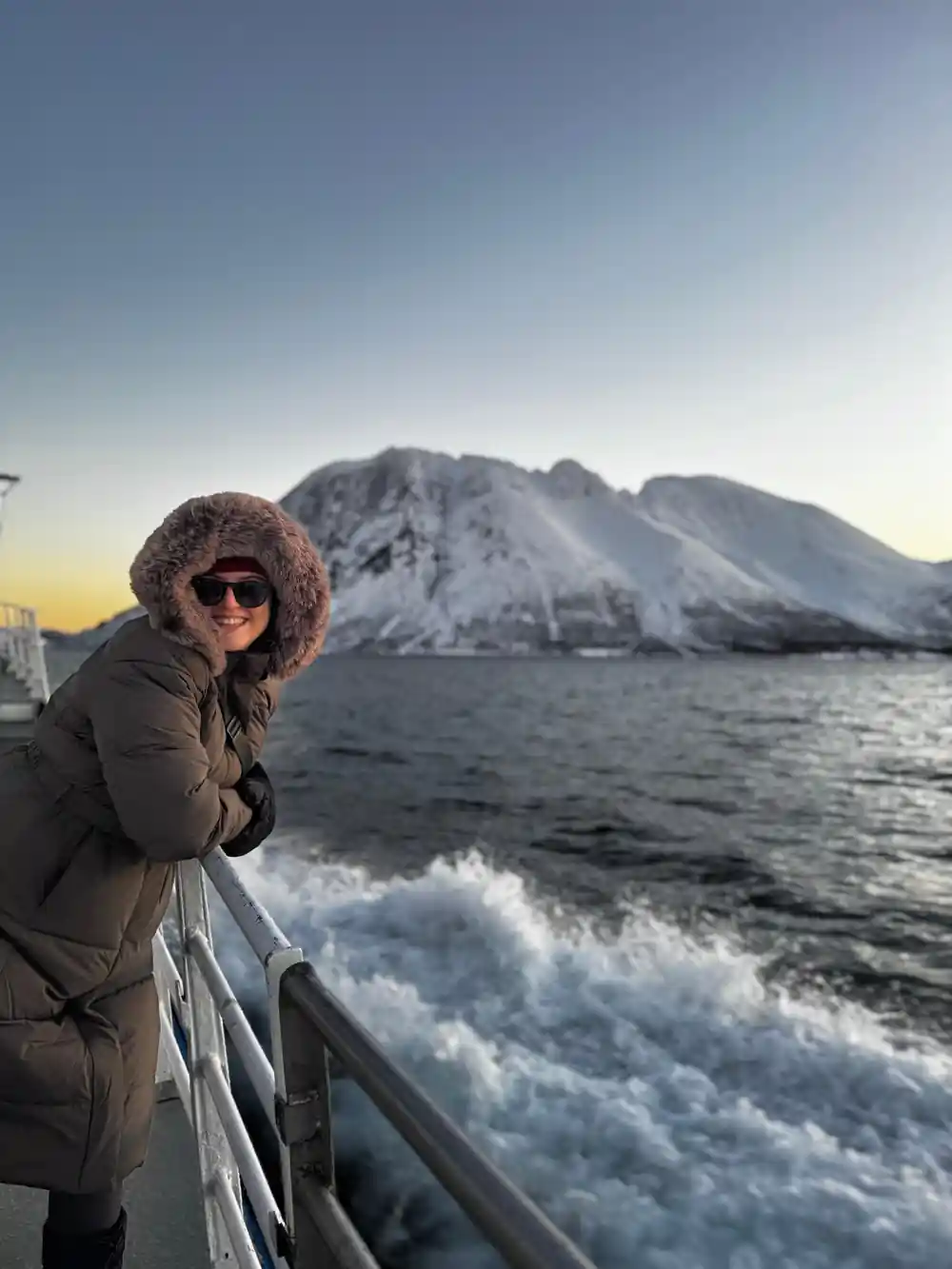
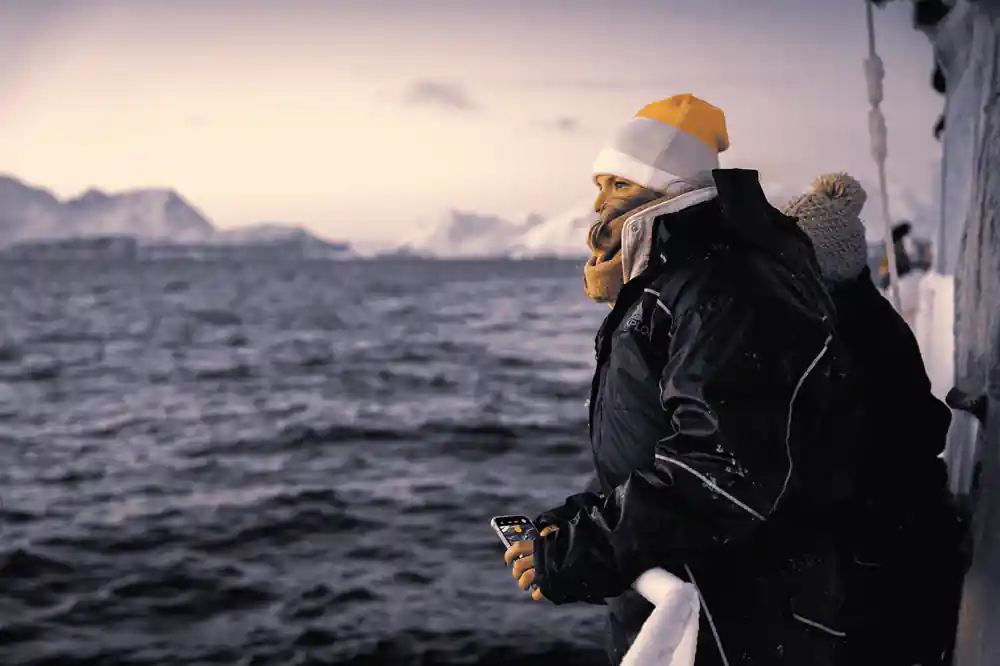
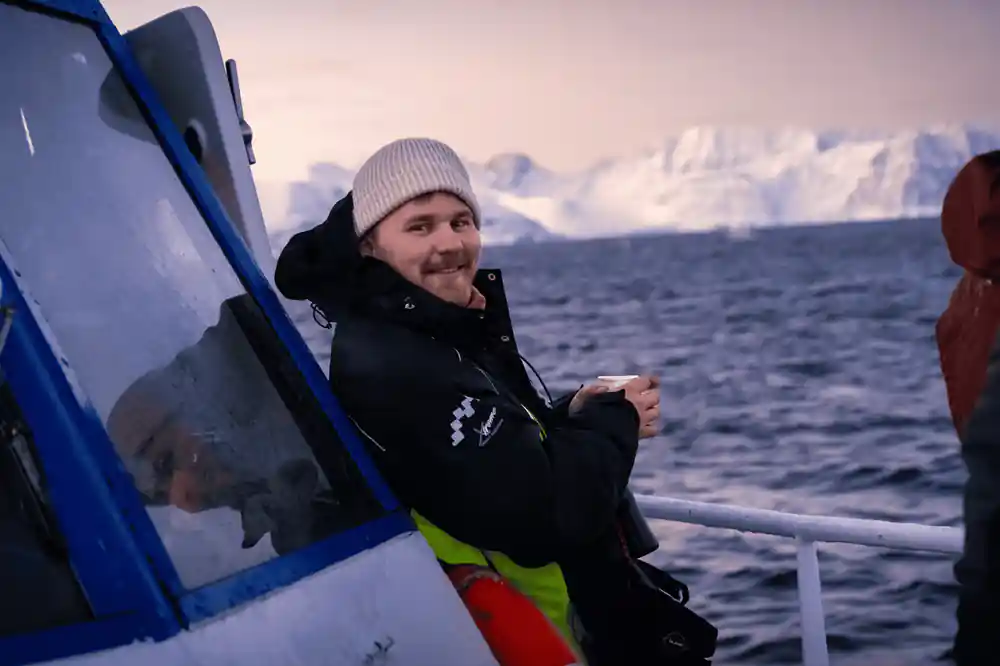
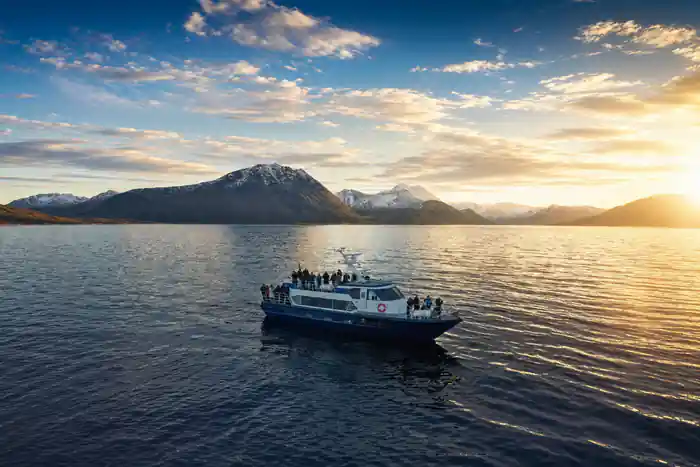
It is eight hours, most of it at sea, in an Arctic winter. The boat has a heated indoor lounge, toilets and somewhere to charge a phone, and a thermal suit is provided because standing still on an open deck is colder than any thermometer suggests.
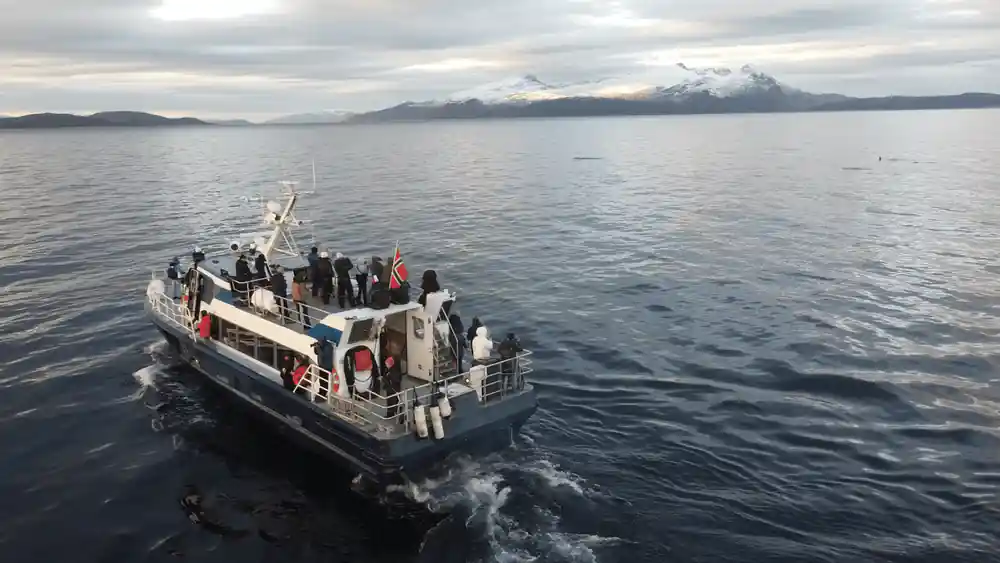
The group is capped at fifty, which matters when everyone wants the same stretch of rail. The crew aim to be first into the whale area and to stay there rather than turning for home early.
Sightings are not guaranteed, and no honest operator will promise them. What is guaranteed is a full day in the fjords north of Tromso in the season when the animals have every reason to be there.
Bring your own gloves, a hat and boots you can stand in for hours, and eat before you board. Everything else the day needs is already on the boat.